Mapping It Out
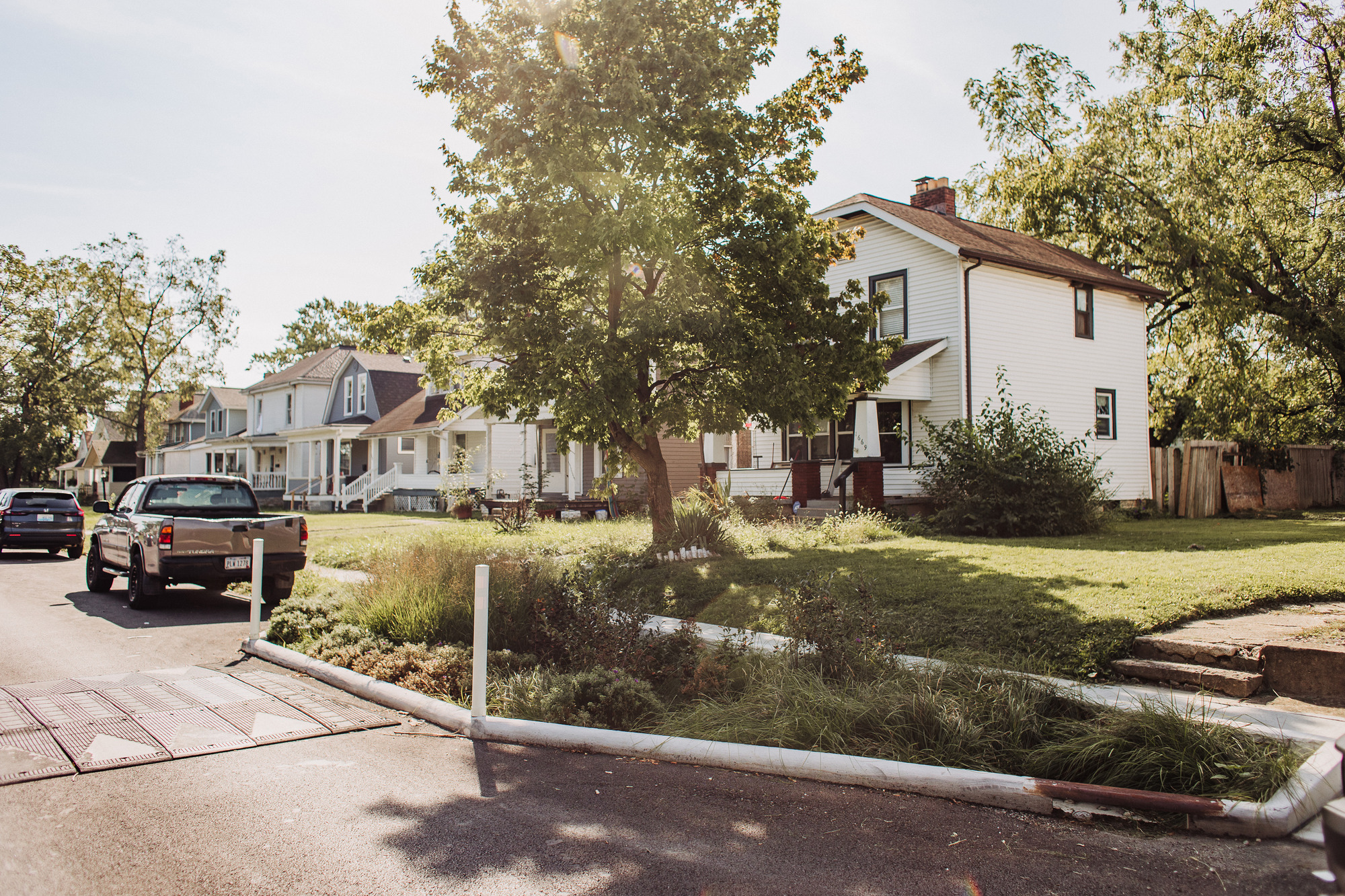
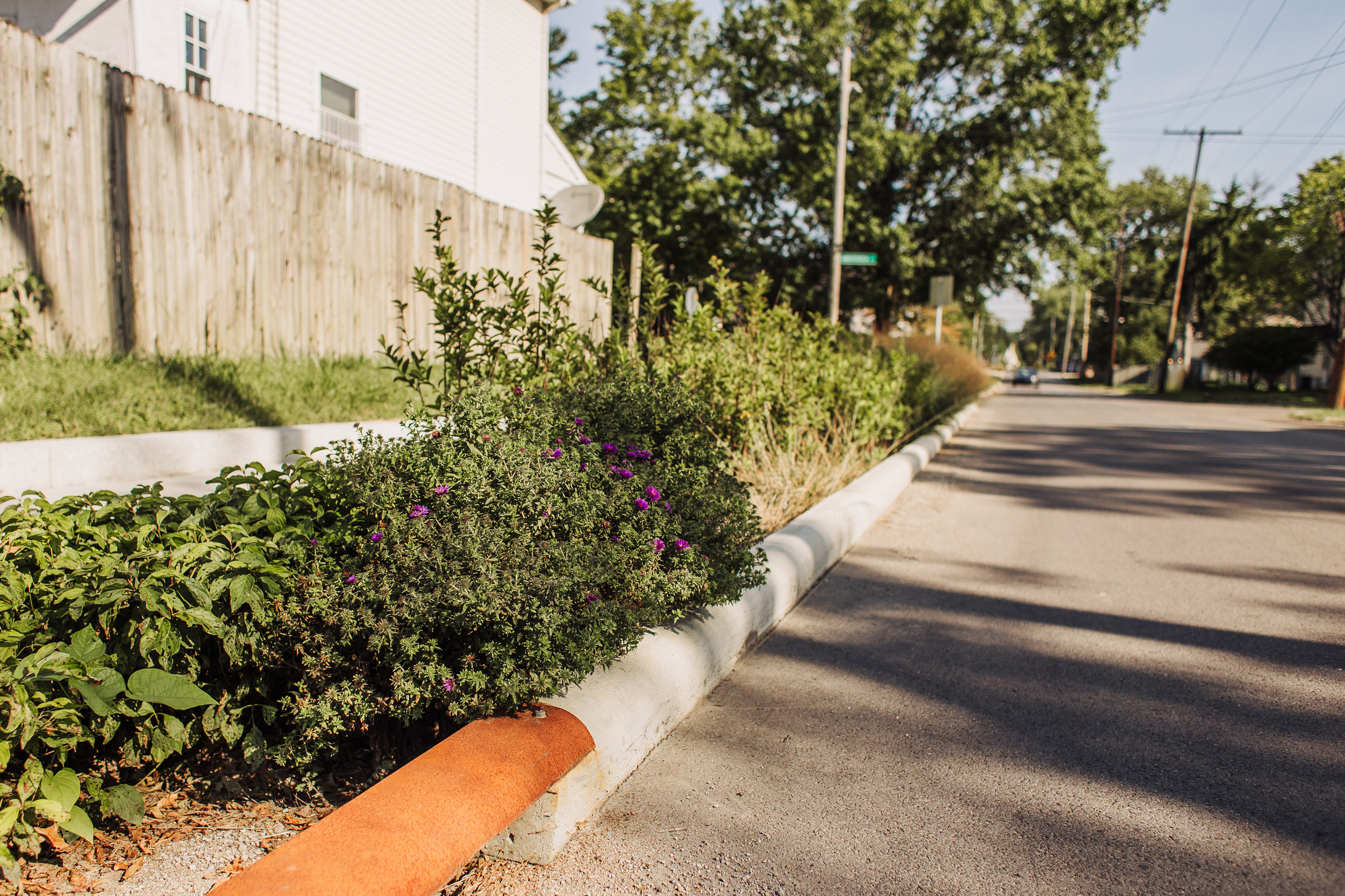
To survey the city and map strategic sites for the green infrastructure facilities, Gresham Smith used a Geographic Information Systems-based rating tool to identify ideal vacant properties in the area. We modeled streets and alleys as surface flow channels, defined roof areas to represent downspout redirection and used street crowns as catch basins and ponding overflow weirs. Additionally, we used a CSWMM stormwater model to project the performance of regional detention facilities, bioswales, permeable pavement and bumpouts.
A True Community Investment
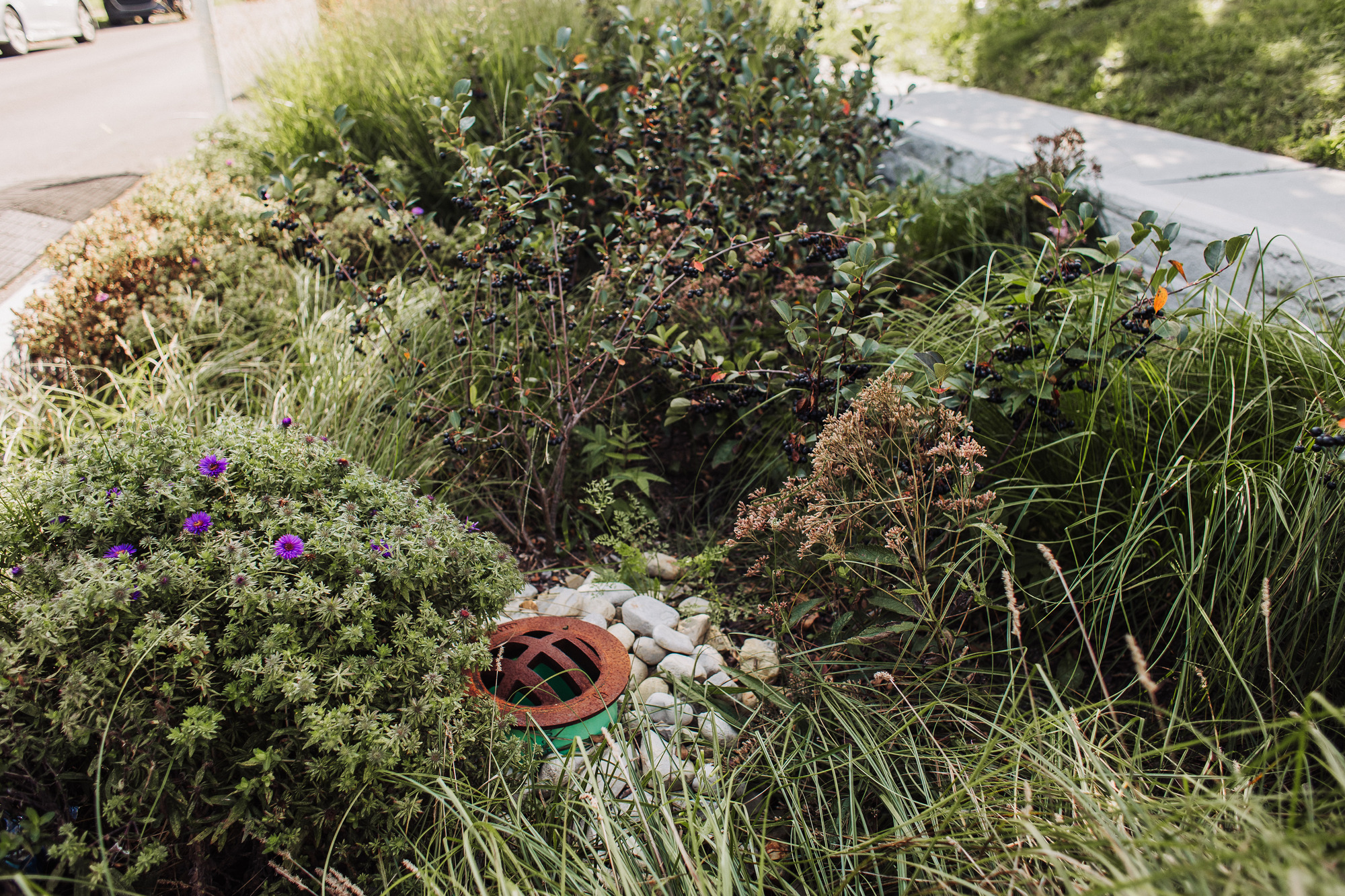
Blueprint Columbus takes a holistic view of the project’s social, economic, and environmental impacts on the community. The project looks at total construction cost, annual maintenance cost, job creation benefit, and property value benefit.
Infrastructure Can Be Aesthetically Pleasing
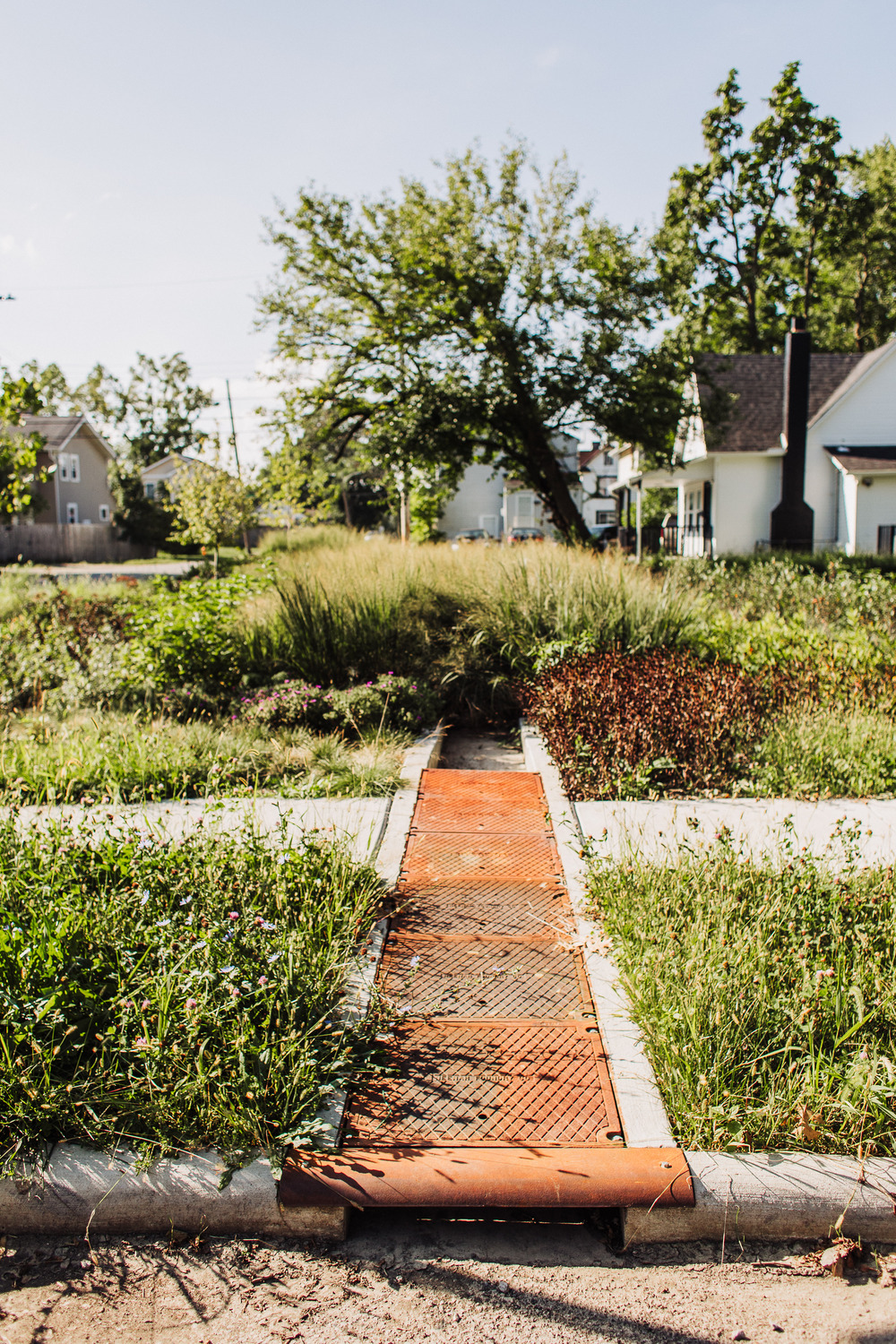
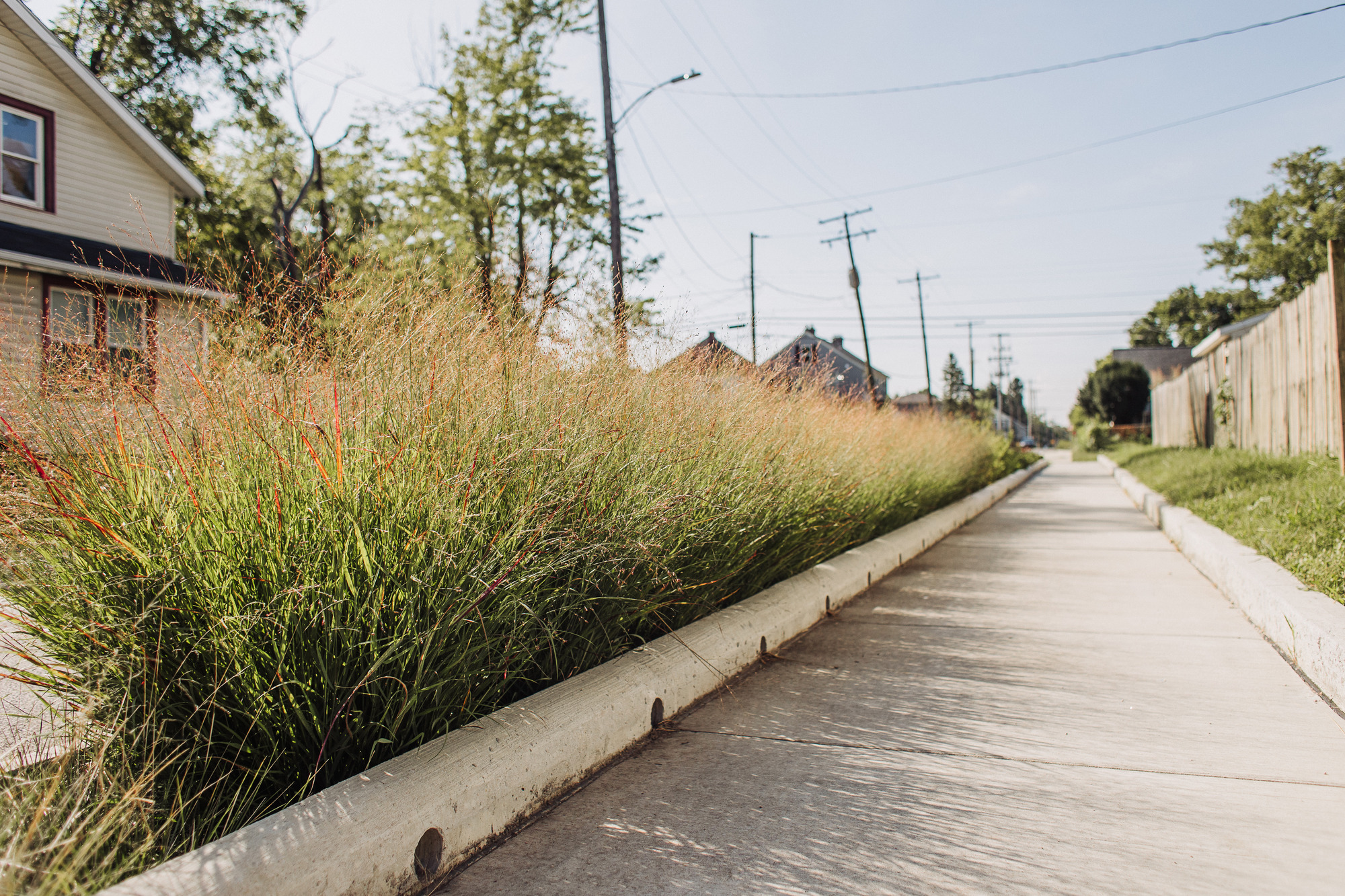
With an eye on creating areas for community connectivity, the Columbus Blueprint program takes advantage of the beautification opportunities that come with green infrastructure. In the Hudson McGuffey project area, the Department of Public Utilities worked together to install new sidewalks as part of the overall construction project. The design team also worked closely with the community in the selection of plantings and location of proposed green infrastructure facilities.
A True Team Effort
This project required expertise from our in-house landscape architects, urban designers and engineers. Each team member’s valuable insights helped form a multi-faceted project approach and helped us deliver a holistic solution for our client. By using natural filtration techniques to solve a common stormwater issue, the Linden neighborhood will not only meet the Blueprint goals, but will also enjoy a variety of community assets for decades to come.