
Note: This article first appeared in Building Design + Construction.
This post marks the third edition of our Design Lab of the Future blog series, where we’ll explore how Gresham Smith is blending human-centered design with emerging technology to shape the next era of the built environment.
Continue the series:
- Read Edition 1 of Design Lab of the Future here.
- Read Edition 2 of Design Lab of the Future here.
- Read Edition 4 of Design Lab of the Future here.
- Read Edition 5 of Design Lab of the Future here.
Imagine how difficult driving a car would be if it took 10 seconds for the vehicle to respond every time you moved the steering wheel. The entire experience changes on a fundamental level; it becomes slower, less efficient, and harder to trust. In the AEC industry, interactivity in the design process is just as fundamental for both the designer and the client. With timely feedback, participants can adjust. With clear connections between decision, action, and result, designers are empowered to pursue innovative solutions.
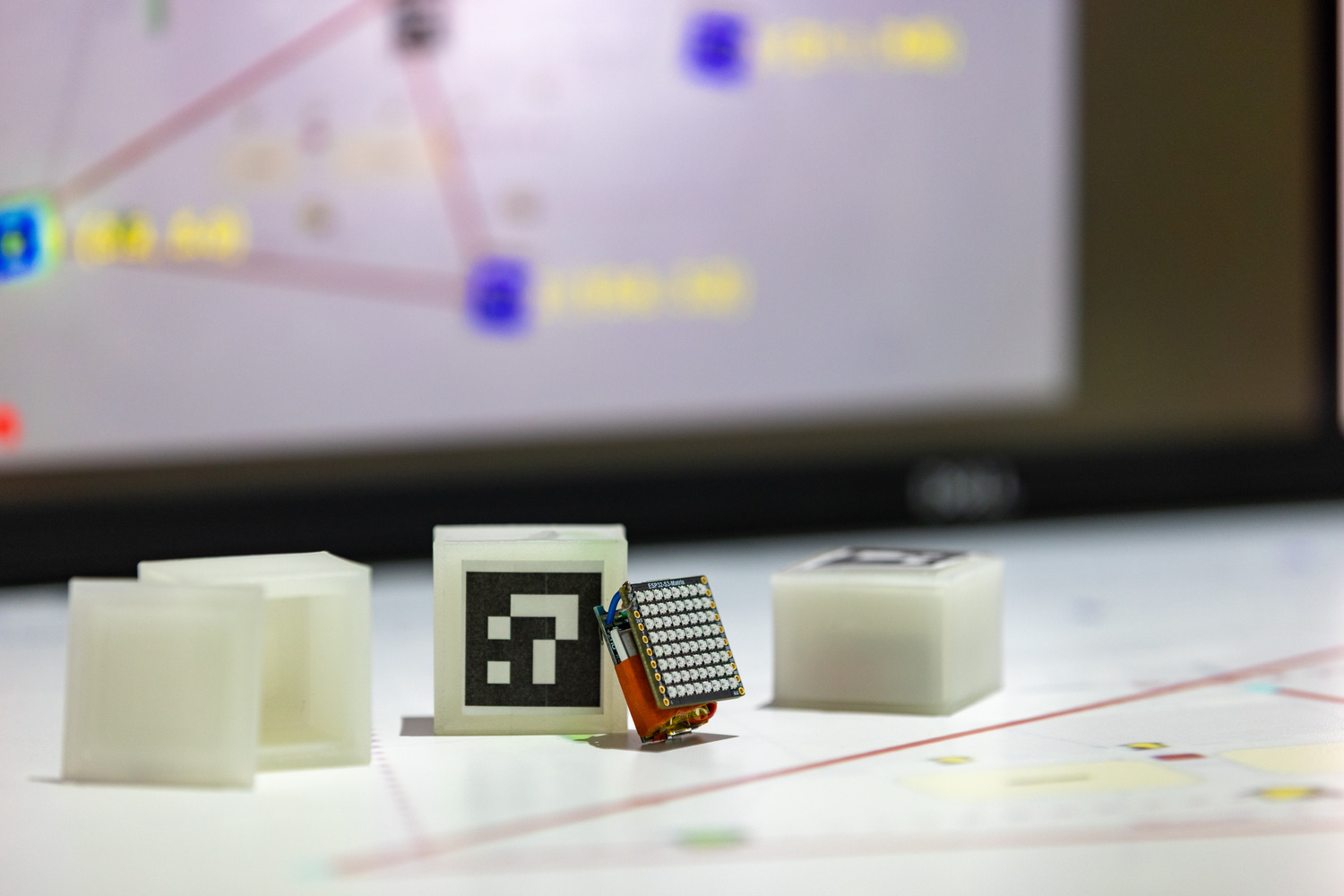
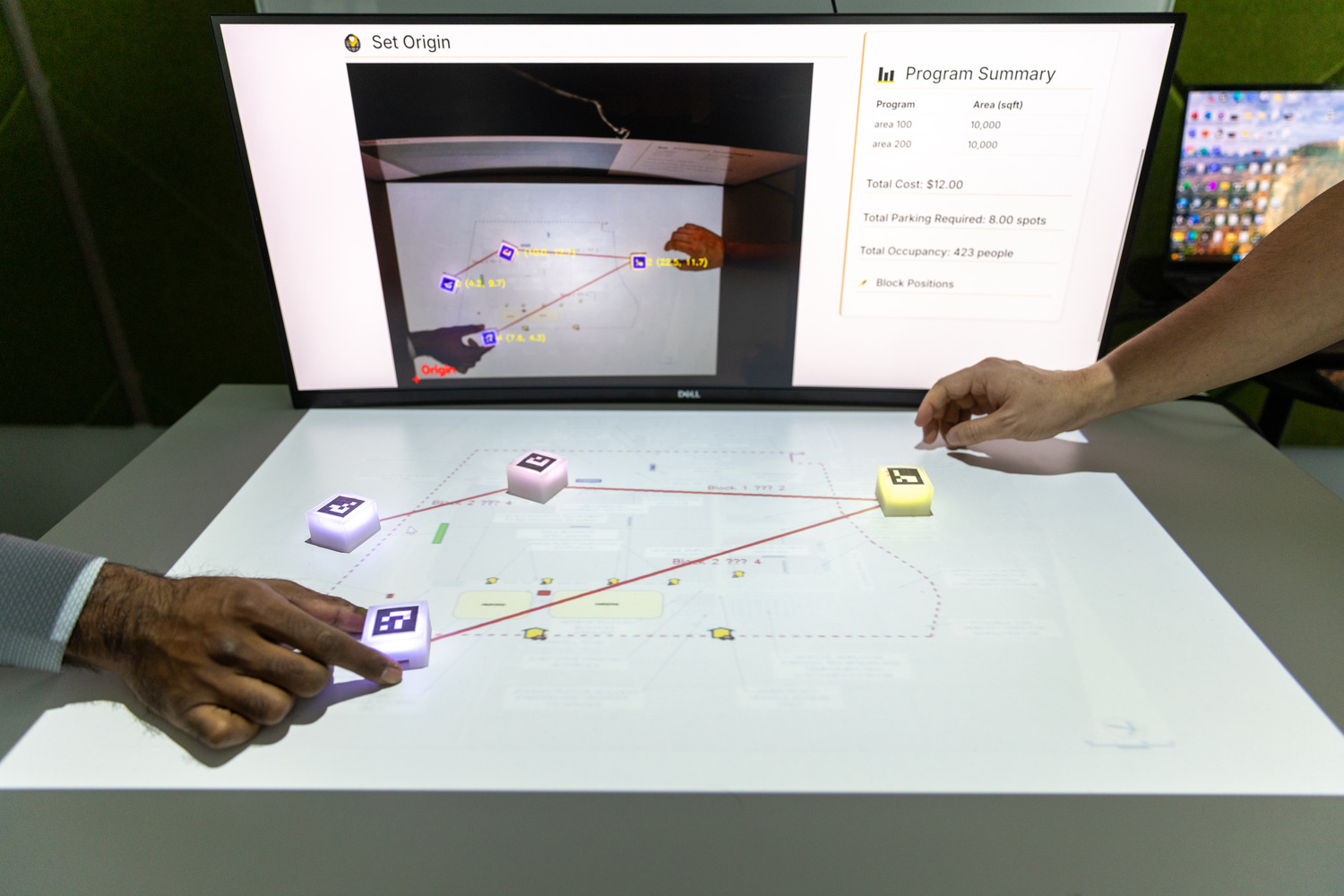
Yet, projects in the AEC industry can feel fraught with delayed feedback and tools that put the onus on the designer and the client to remember the connections between decision and outcome. In this third installment in our “Design Lab of the Future” series, we are introducing Daedal, a real-time environment for intelligent space planning, that can fundamentally change the design experience. By gamifying the experience, without sacrificing the precision expected, we are creating a more engaging, transparent and efficient space planning workflow.
Physical Meets Digital
Planning doesn’t have to stop at the drawing board. With Daedal, teams move seamlessly from hands-on layouts to digital insights, blending the ease of physical collaboration with the speed of intelligent computation. Arrange layouts, discuss options freely, and when ready, tap into digital feedback that enhances every step. The digital layer stays invisible until needed, and each augmentation is opt-in, creating a “phygital” experience that merges the tangible with the technology.
Instead of waiting for designs to be translated from physical to digital, Daedal delivers instant feedback. Areas needing attention are flagged and visualized in real time as layouts shift. Every participant sees what’s affected and what must change, while decisions are automatically recorded throughout the process.
A New Kind of Design Game
Armed with this enhanced information, all parties can move forward with confidence and a clear understanding of the proposed solution. What results is essentially a game, but unlike any other game; rather, it is a game that matches the realities of the site, the constraints of the intended space usage, and the wealth of experience that a designer brings to the process. Through a synergy of human ingenuity and responsive tools, we can achieve clarity and confidence in every decision.
Empowered Designers Make Better Communities
When design software adapts to design professionals in real-time, it makes the experience more efficient, effective, and engaging for all involved. Thus, challenges surface earlier in the process, and all participants share the same context, and solutions can be explored collaboratively. Problem solving becomes an exploratory, participatory act.
Designers are committed to creating solutions that enrich the communities where we live, work, and play. As an industry, we can best meet the challenges of today when every designer is empowered to approach their work with creative energy and flexible problem-solving that sparks breakthrough ideas. This can only happen if designers have the right information at the right time and when their tools empower them to act on this information using their intuition, insight, and experience. When precision, best practices, and design expertise are presented in a format that is fun, engaging and responsive, the results benefit the profession, the industry and ultimately, our communities.
Designing the Future—Together
The more our tools clarify assumptions, communicate context, and adapt quickly to our decisions, the more opportunities we have to make informed choices and to discover an enhanced design process that is more dynamic, effective, and empowering.
To read the previous edition of our “Design Lab of the Future” series, click here.
Eric Isaac is a Staff Software Developer in Innovation at Gresham Smith, bringing over 10 years of expertise in games, graphics and simulation technologies. He specializes in developing innovative software solutions that enhance transparency and streamline delivery processes for architecture and engineering projects. Eric’s background also includes creating educational games that have engaged and benefited thousands of young learners.