
This post marks the sixth edition of our Design Lab of the Future blog series, where we’ll explore how Gresham Smith is blending human-centered design with emerging technology to shape the next era of the built environment.
Continue the series:
- Read Edition 1 of Design Lab of the Future here.
- Read Edition 2 of Design Lab of the Future here.
- Read Edition 3 of Design Lab of the Future here.
- Read Edition 4 of Design Lab of the Future here.
- Read Edition 5 of Design Lab of the Future here.
Architecture and engineering are changing rapidly. New tools, new expectations and new ways of working are reshaping how projects move from first idea to final experience. In the middle of all this change, Gresham Smith has anchored itself to one simple belief: technology is not the point. People are.
From the beginning of this series, our focus has been on how we can design with our clients, not just for them. Our Design Lab of the Future is not a collection of gadgets. It is a connected set of experiences that bring clients deeper into the process, make feedback more natural and timely, and ultimately lead to better, more people centered design. Just as importantly, it is a platform that amplifies the talent of our professionals. Their background, intuition and problem solving are the engine. Our technology simply lets that engine run with more reach, clarity and impact.
GIA Imagine: Revolutionizing Design Visualization
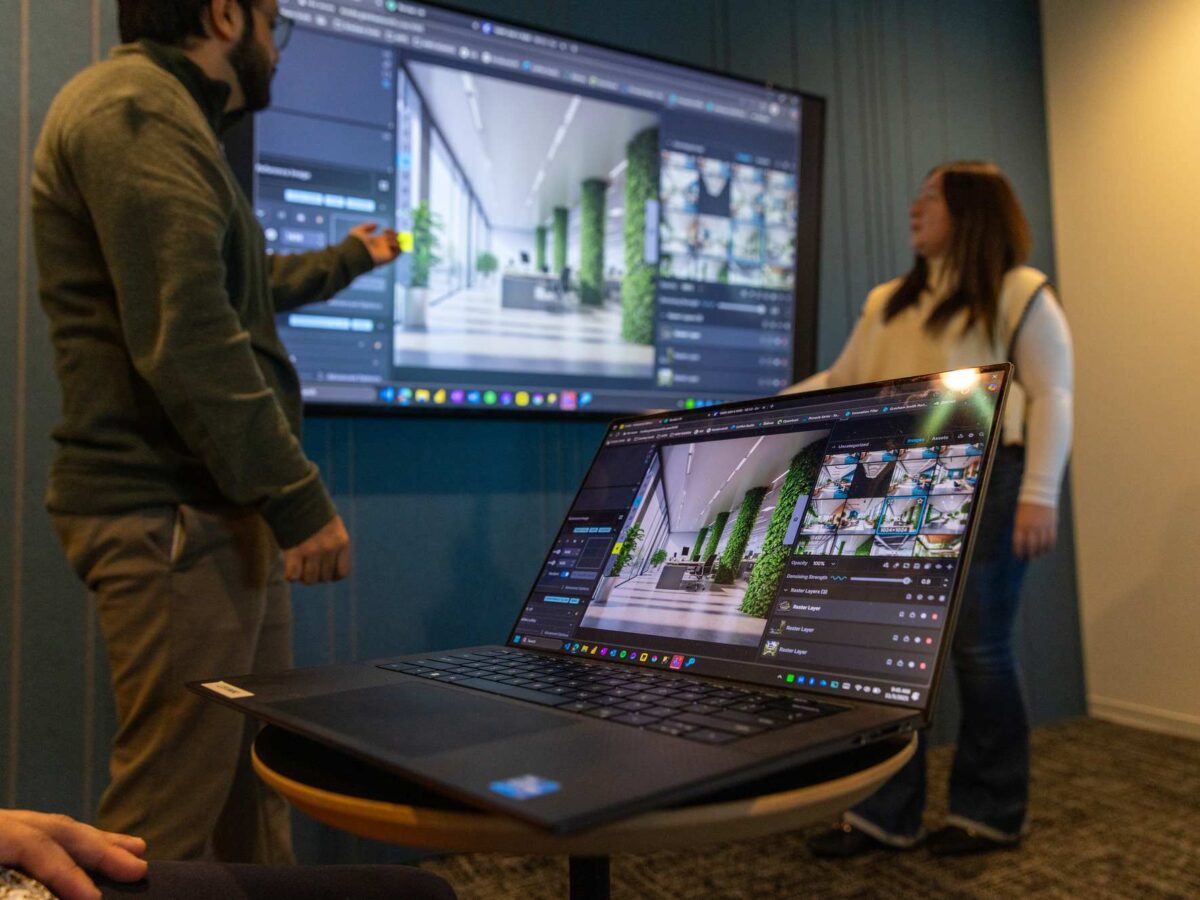
GIA Imagine changes the pace of design storytelling. Instead of waiting days or weeks for a rendering, our teams can create visual concepts alongside the conversation. When a client asks, “What if we tried this?” they can see that idea while the question is still fresh. Meetings feel less like formal presentations and more like creative working sessions. Our designers are freed from production bottlenecks so they can focus on what they do best: interpreting needs, making connections and shaping compelling ideas. Clients participate in early exploration, test more options and help shape the story of their projects in real time.
Daedal: Space Planning Reimagined
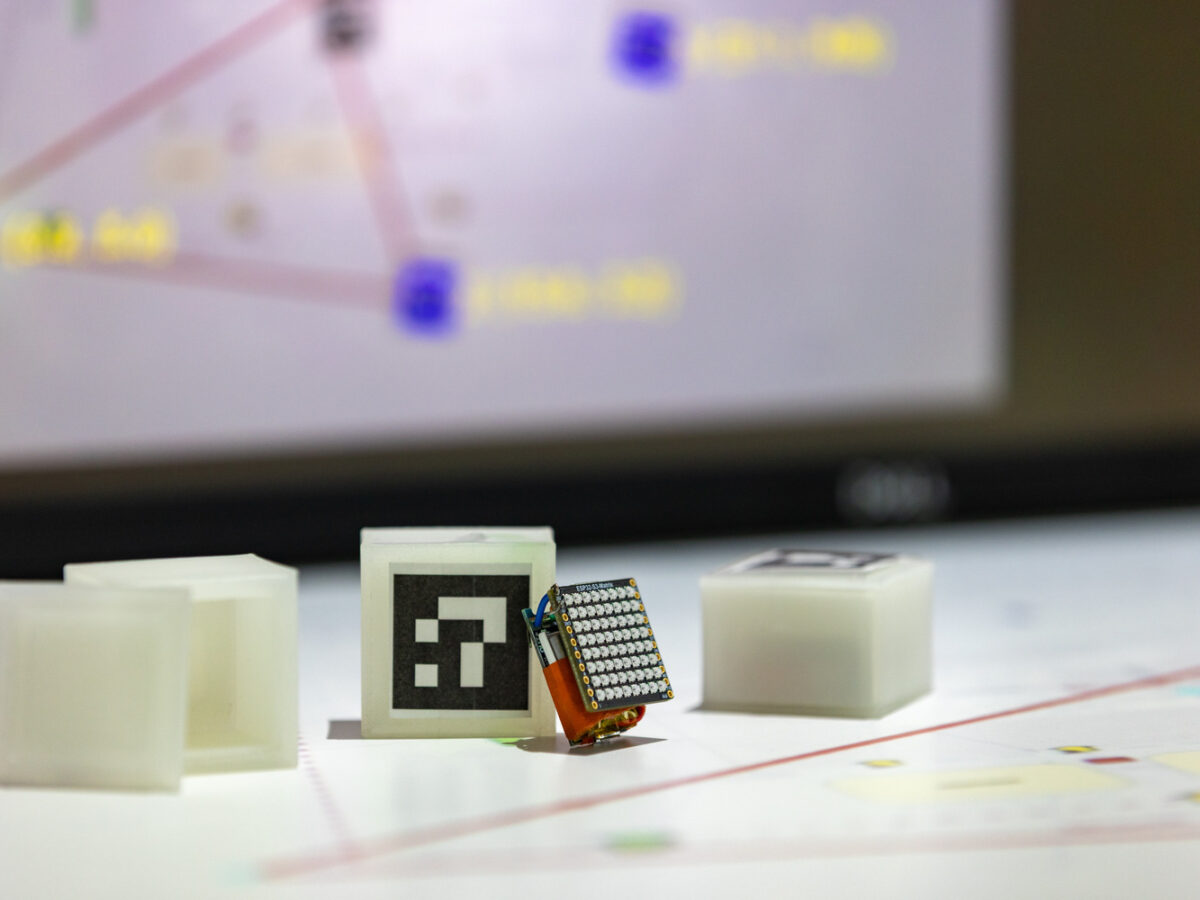
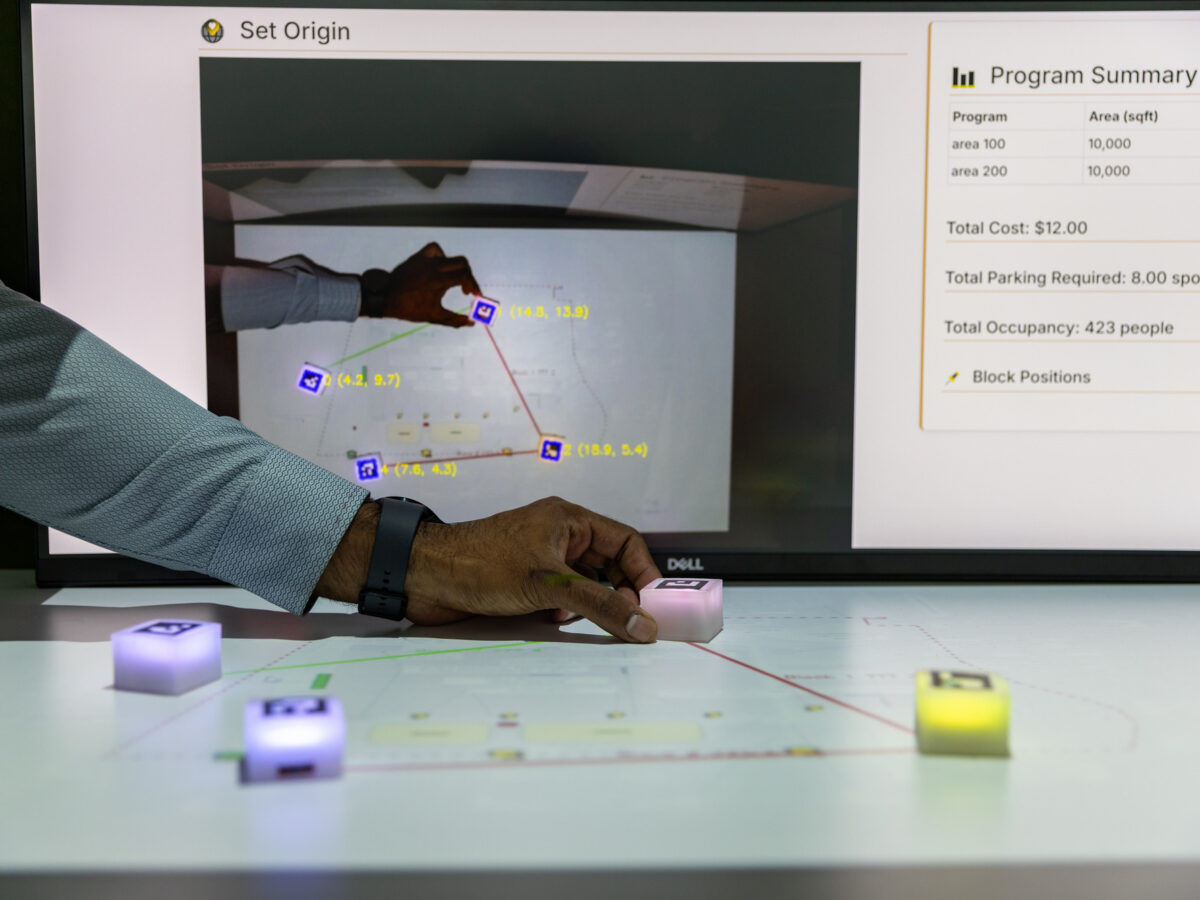
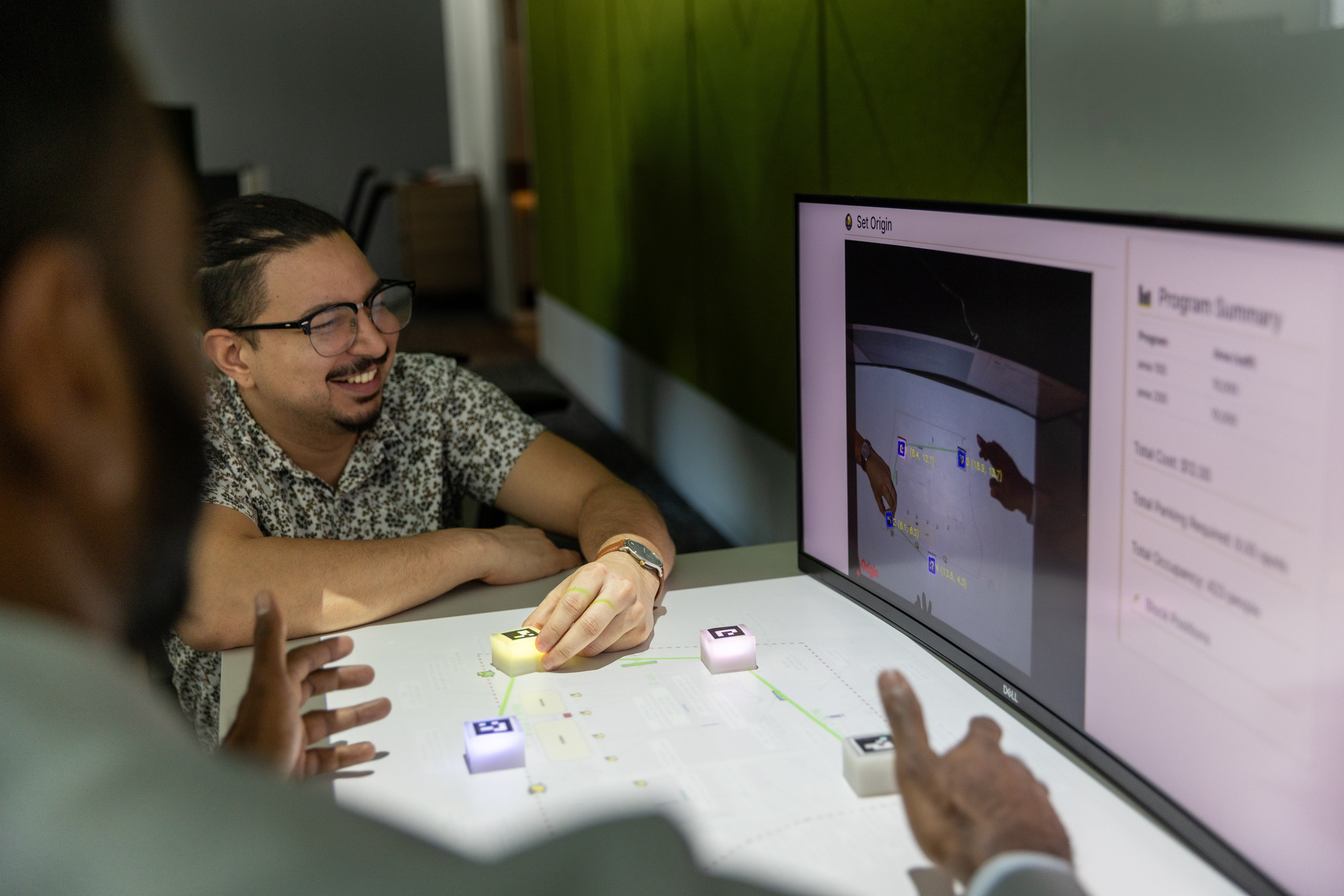
Daedal makes space planning a shared experience instead of a black box. It blends hands on collaboration with instant, intelligent feedback so everyone in the room can see what each move means. As layouts shift, clients see which requirements are met, where constraints are tight and how one decision affects another. Rather than waiting for the next drawing set, we work side by side to discover the right solution, with fewer misunderstandings and greater confidence in the outcome. Here, technology does not replace the judgment of our planners. It gives them faster, clearer insight so their experience and creativity can guide better decisions.
MPATH React: Using Technology to Keep Design Human
MPATH React helps us listen to more than words. By paying attention to expressions, tone and context, it reveals how clients and communities are responding in the moment. We can see where engagement rises, where it drops and where confusion might appear. This leads to more honest conversations and clearer decisions, and it shows clients that their emotional reactions matter in the design process, not just their functional requirements. With privacy protections at the core, it builds trust while improving design. Our teams still read the room, ask the hard questions and synthesize what they hear. MPATH React simply extends their ability to notice, understand and respond.
Aether: Bringing Clients Into the Heart of Design
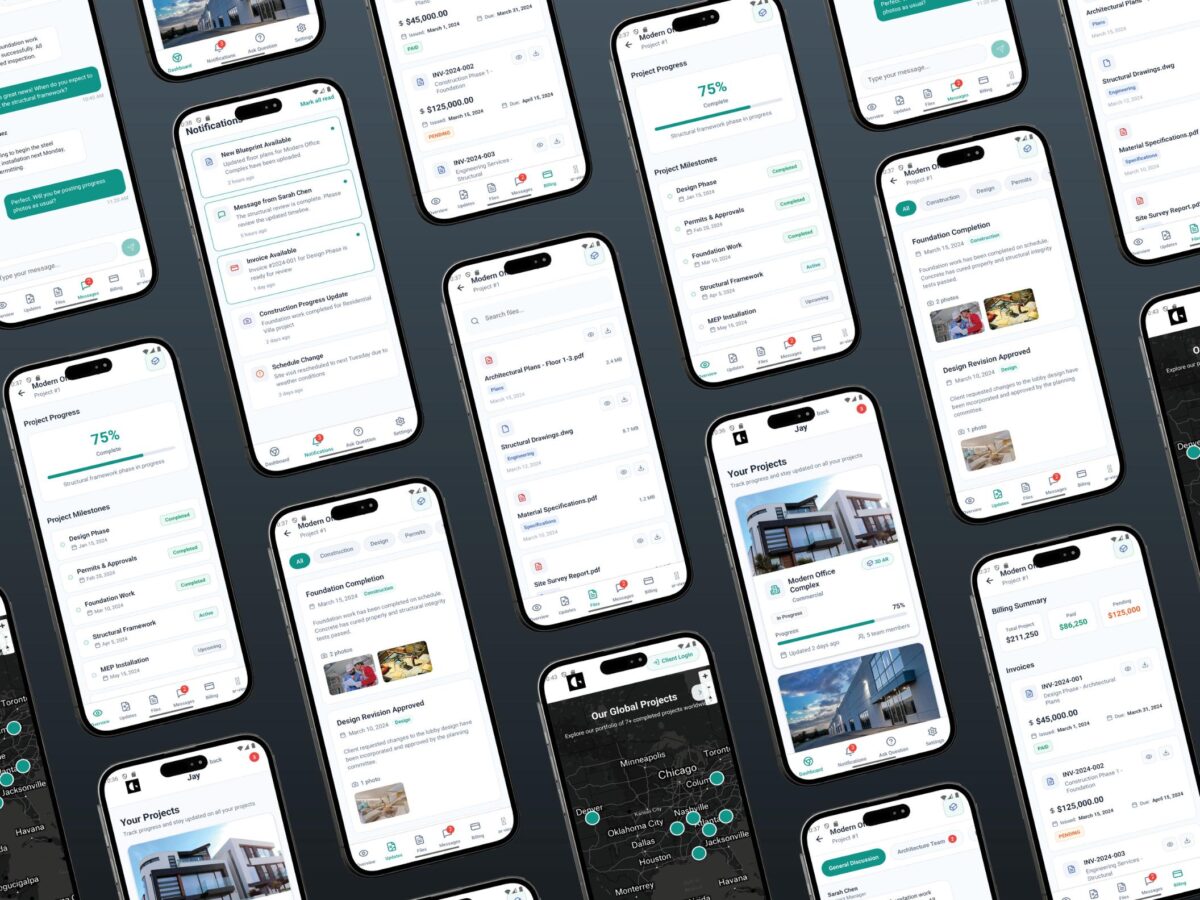
Aether keeps clients close to the work from start to finish. Instead of updates scattered across emails and slide decks, they have a simple, intuitive view of their projects in one place. They can see progress, explore interactive maps, review key documents and ask questions without having to dig or wait. Communication becomes an ongoing conversation. Anxiety drops, friction is reduced and relationships are strengthened because clients have a clear, living picture of where their projects stand. In an age when everyone is always connected but often feels disconnected, Aether is our way of using digital tools to support real human connection, not replace it.
A Connected, People-First Design Ecosystem
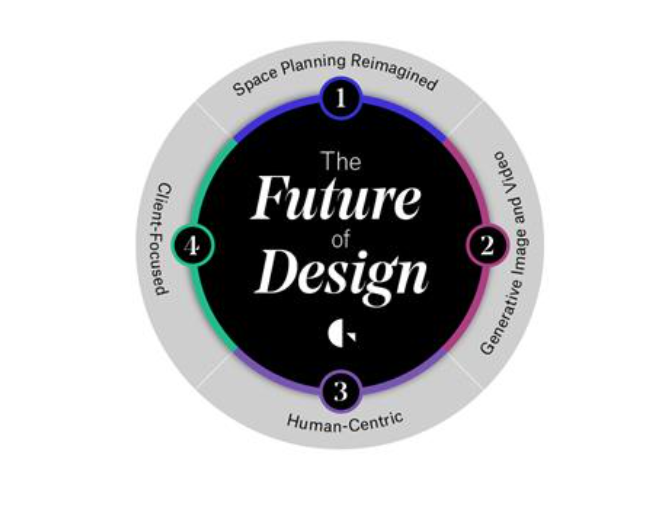
Individually, these platforms solve specific challenges. Together, they form a connected, people first ecosystem built around a single idea: we design better when we design with our clients, and when we give our professionals tools that magnify what they already do well. Gresham Smith’s design lab approach strives to remove friction, reveal insight and create more space for creativity, empathy and collaboration, both within our teams and with the people we serve.
That is what we mean by genuine ingenuity. It is where our belief in people meets our drive to rethink how design is delivered. As architecture and engineering continue to evolve, our commitment is to ensure that clients and communities are not watching that evolution from the outside. Alongside our professionals, they are in the room with us, shaping it, every step of the way.
To read the previous edition of our “Design Lab of the Future” series, click here.
Jennifer Carr serves as Gresham Smith’s Director of Innovation and Information, where she leads firmwide innovation, data analytics and digital strategy. She guides efforts to build a more connected, data-informed and digitally enabled practice—strengthening how teams collaborate and improving the value delivered to clients. Carr has held key leadership roles across the firm, including Project Executive, Lead Project Professional and Architect, Industrial Technical Practice Leader and Birmingham Office Leader.