
Summary
- Traffic incident management (TIM) is foundational to long-term corridor performance. Because incidents can create outsized delays and safety risks, agencies must consider how today’s decisions affect how infrastructure operates in the future—not just how it’s built.
- Integrate TIM early and across the project lifecycle. Bringing in local first responders and TIM professionals early reduces redesigns, change orders, budget overruns, and improves safety and mobility once projects open to traffic.
- Use data, training, partnerships, and evolving technology to respond faster and safer. Advanced analytics, joint training, coordinated communications, and emerging tools help detect, verify, and manage incidents while minimizing disruption.
Traffic incident management, or TIM as we call it, is the foundation of our efforts to safely keep people and goods moving even when the worst happens. TIM is under the umbrella of Transportation Systems Management and Operations, or TSMO, and it relates directly to managing incidents on our roadways. With TIM, it’s important to consider how the decisions an agency is making today will impact how an asset performs in the future.
Federal, state, and local agency programs and guidelines allow road owners and operators the ability to implement solutions intended to improve capacity and safety focused on providing high-performing and resilient corridors. Unknown operational impacts can still set agencies back on their mobility goals, which is why TIM is essential to our transportation programs.
Have you ever been in a traffic crash, called 911/511, had safety service patrol help you change a flat tire or called for a wrecker from the side of the interstate? Then you have witnessed TIM first-hand. TIM plays an essential role in ensuring travelers and consumer goods move across the country’s intricate network of highways to reach their desired destination.
It’s a bit scary to know that 1 minute of road blockage from a crash on an interstate highway can cause 4 minutes of traffic delay. We’ve all been stuck in traffic due to regular congestion, and when an incident occurs during peak travel hours, the impact is compounded, increasing risk for motorists and first responders. Every second counts!
That’s why it’s imperative that your TIM support team is involved with all phases of the transportation program to consider what happens when… we’ve built it and they come.
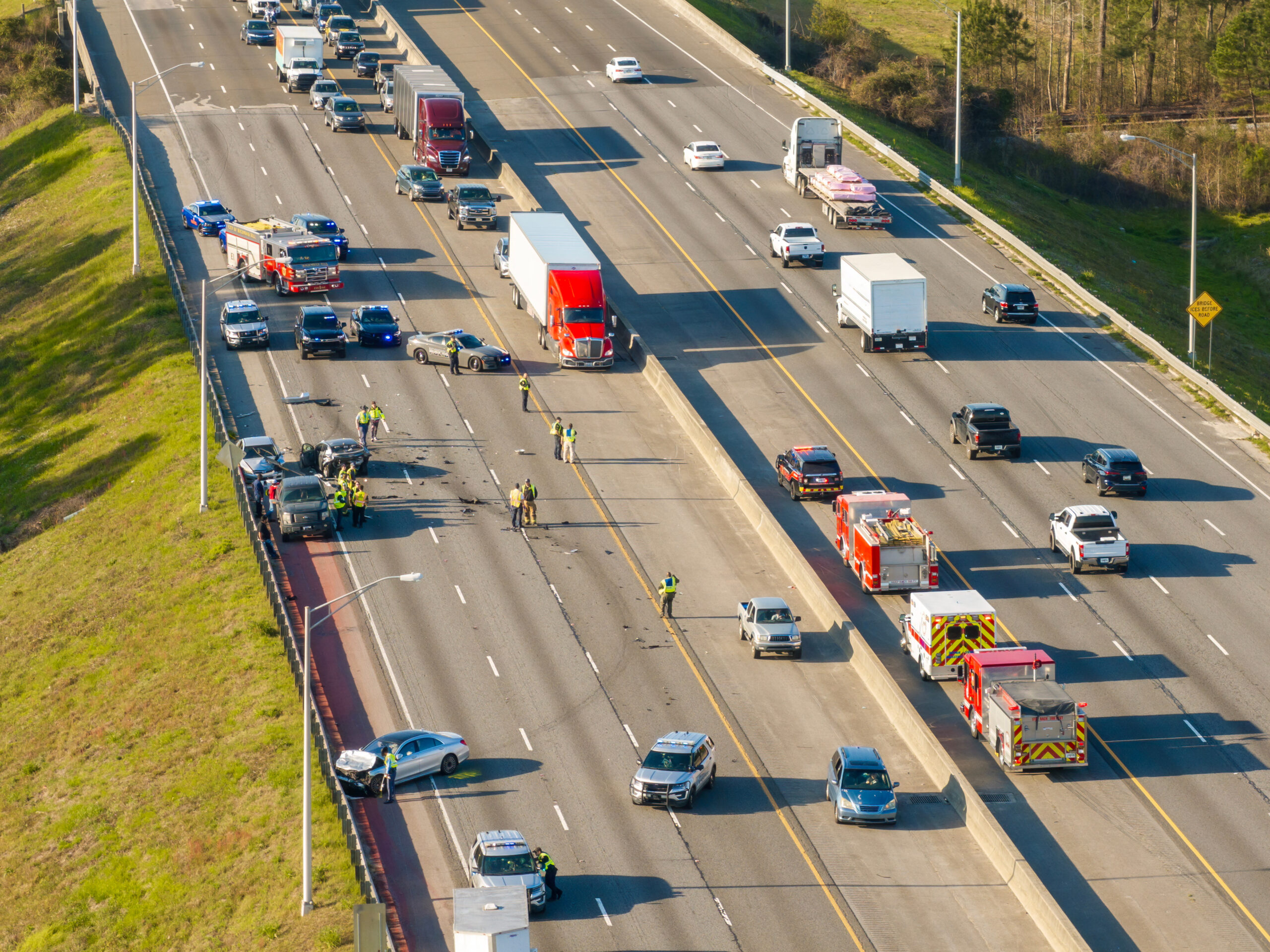
Planning and Design
As we plan and design future roadway infrastructure or modify existing corridors, it is crucial to integrate the institutional knowledge of local first responders into the planning and design process. Who better to support decision-making than those with firsthand experience managing impacts to motorists within their respective areas? Early engagement provides our planners and designers with invaluable insights into user behavior and supports the deployment of infrastructure that allows TIM experts to more quickly resolve incidents, effectively managing and mitigating activities that impact travelers.
Historically, TIM has often been considered an afterthought, addressed only in the later stages of project development. By involving TIM teams earlier in the process, our agency clients can gain real-world perspectives that aid in the integration of ITS and communications components, improve ingress and egress locations, and enhance coordination efforts. These benefits collectively help reduce redesigns, change orders and budget overruns.
The TIM community understands that data is key to driving informed decisions. TIM teams apply advanced data analytics to predict, detect, and respond to incidents rapidly. So, the technologies leveraged during the planning and design phases are familiar to TIM team members. Involving them in the use of simulation and predictive analytics to anticipate traffic incident impacts is a crucial step in deploying sustainable, outcome-based solutions.
Construction and Open to Traffic Considerations
Minimizing traffic disruptions, delivering early public information and preparing for temporary traffic control should be at the forefront of safety considerations before construction begins. It’s important to consider effective TIM practices and communications protocols when developing maintenance of traffic plans and contracts.
Likewise, local public safety awareness and buy-in is a critical component as they are boots on the ground to keep people safe and move traffic through or around construction and incidents. Early and regular engagement can help local onsite teams stay connected.
To illustrate, my background in law enforcement helped the client reduce risks during a toll bridge project. From experience with similar structures, we knew the tied arch bridge would present an enticing opportunity for “jumpers” intent on doing themselves harm or those daring to jump in for fun or climb up the infrastructure. These real-life scenarios create a hazard to themselves and others. We worked closely with local responders, including their SWAT Team, to give briefings on high-level design and site plans and onsite access to the bridge after substantial completion so we and they could plan for a myriad of challenges with the project we may encounter. Everyone from TMC operators and 911 dispatchers to police boat operators and fire fighters were engaged, equipped and prepared prior to the bridge opening to traffic.
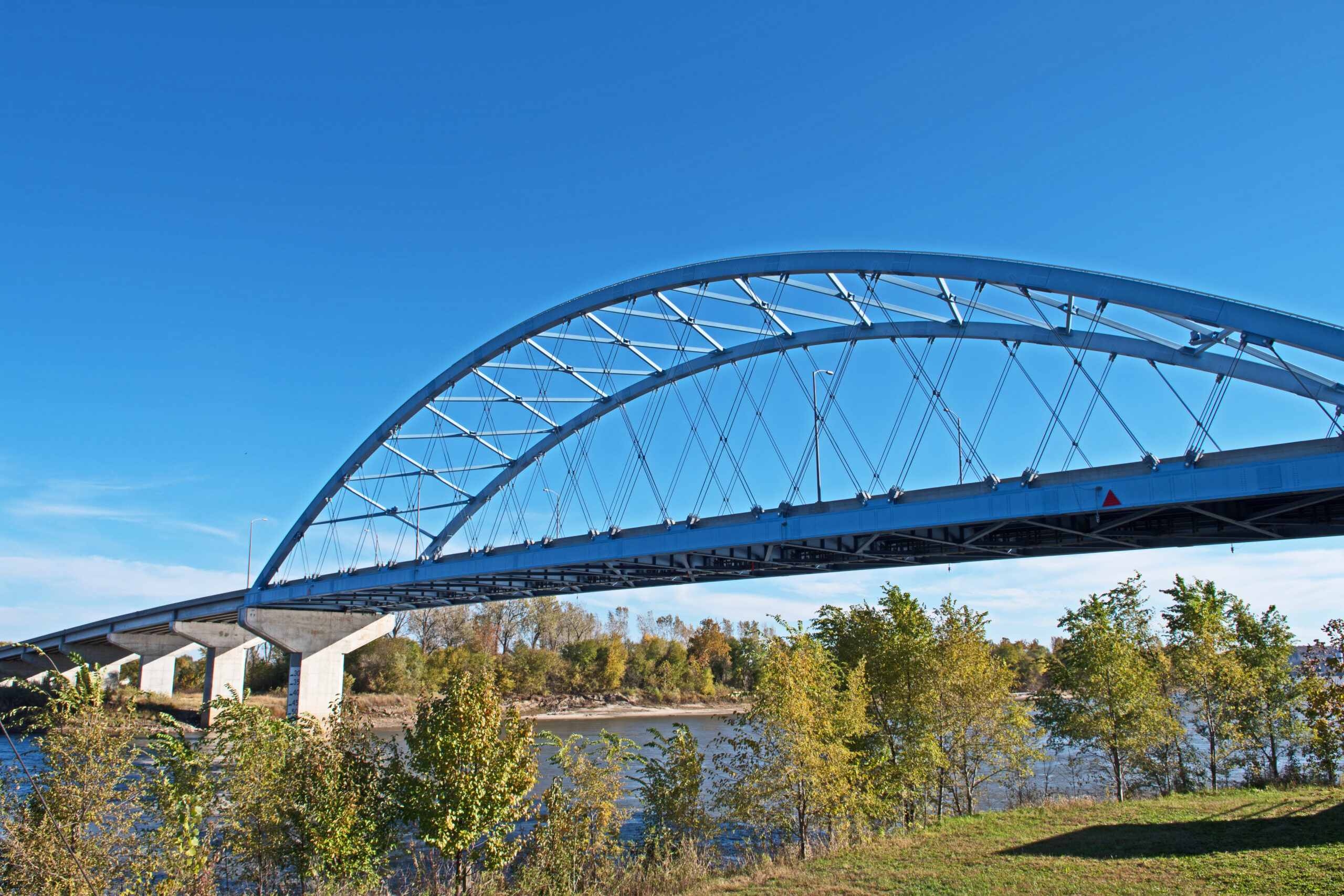
With coordinated communication platforms among stakeholder agencies, active TIM teams, and informed first responders, challenges during active construction projects can be addressed quickly and efficiently to preserve safety and mobility within work zone areas. Key areas where these partnerships prove beneficial include the dissemination of marketing materials to broaden public engagement, leveraging additional data points to enhance analysis and inform decision-making, and leveraging traveler information systems operated by partner agencies to improve public communication and route choices. Our multi-disciplined, multi-jurisdictional partnerships have strengthened relationships and enhanced safety.
Operations Phase
We emphasized the early engagement of TIM professionals during the planning, design and construction phases of the infrastructure lifecycle. After construction, it all comes down to effective operation. The success of our transportation network depends on the timely coordination, support, and ingenuity of partnerships that span diverse roles. That’s why training is such an integral part of TIM.
When agencies, partners, and stakeholders come together for joint training, they gain a deeper understanding of the drivers behind each party’s role in managing and maintaining this infrastructure. They can share best practices, build stronger relationships, and collaborate seamlessly when the road is literally on fire. Joint training exercises are a vital tool in our TIM professionals’ toolkit and remain a powerful engagement strategy to support the operational efficiency of our interstates and local roads.
The Growing Impact of Technology
For years, agencies have applied technology to enhance operations, such as deploying ITS cameras running automated incident detection software to ensure transportation management center operators are alerted to potential hazards allowing real-time verification and dispatch of only the needed resources. Now, automated and connected vehicles and digital infrastructure expand opportunities to manage capacity in the midst of growing populations.

One example of a technology that enhances TIM is the HAAS Alert. These alerts leverage data from connected responder, maintenance, or construction vehicles when emergency equipment is activated and pushes it to nearby drivers who receive real-time digital alerts of the upcoming hazard on infotainment screens and mobile apps such as Waze and Apple Maps. In a HAAS Alert case study in 2021, the National Highway Traffic Safety Administration reported a 25% average speed reduction by drivers approaching the hazard.
Many other technologies also assist TIM operators. Traffic management systems are incorporating vehicle-to-infrastructure (V2X) messages that notify responders about hazard zones, ABS hard braking, stalled vehicles, construction or sudden traffic events communicated by other connected vehicles near the incident.
For real-time hazard assessment, some agencies deploy autonomous drones or robotic devices that quickly provide initial scene mapping or deliver emergency supplies prior to full responder arrival. These systems also utilize networked communications to enhance command and control helping command staff plan by receiving crash, speed, weather, and other scene conditions in real-time to update response plans dynamically. Sending as few responders to the scene as possible is safer, and real-time alerts and streaming video allow incident commanders to craft scene-specific response plans.
Dynamic routing uses real-time traffic and incident data from vehicles and infrastructure to identify the fastest and safest routes, avoiding congested or hazardous areas.
Today, agencies should consider all of the technology-enabled TIM solutions that can help them address their challenges and develop new solutions.
The City of Frisco, Texas, said it well in its 2040 Comprehensive Plan: “Integrating new technology within existing and future transportation infrastructure can be daunting; familiarity with proven solutions often outweighs the perceived risk of adopting new methodologies. However, recent technological advancements offer unique and cutting-edge opportunities to address some of Frisco’s ongoing transportation challenges.”
TIM is a foundational TSMO strategy, and the choices agencies make during planning, design, construction, and operations directly shape how safely and reliably a corridor performs over time. By integrating TIM early—along with the power and communications backbone needed for evolving technology—agencies can better detect, verify, and respond to incidents while minimizing disruption. The takeaway: build with the end in mind, because what happens after opening day is what defines long-term performance.
Marty Legé serves as a senior project manager within the TSMO service line of Gresham Smith’s Transportation market. With more than 30 years of experience spanning transportation, technology integration and public safety, Legé brings a wealth of operational expertise and leadership to every project. She previously served as deputy program manager for the Georgia Department of Transportation’s Statewide TIM Services Program, supporting statewide operations, safety service patrols, managed lanes, towing and recovery incentive programs and training initiatives. Her leadership helped enhance Georgia’s TIM and TSMO efforts, improving roadway safety and reliability. With a foundation in law enforcement and military training, Legé began her career in the U.S. Air Force and served six years as a master military training instructor specializing in curriculum development and instructional systems design.