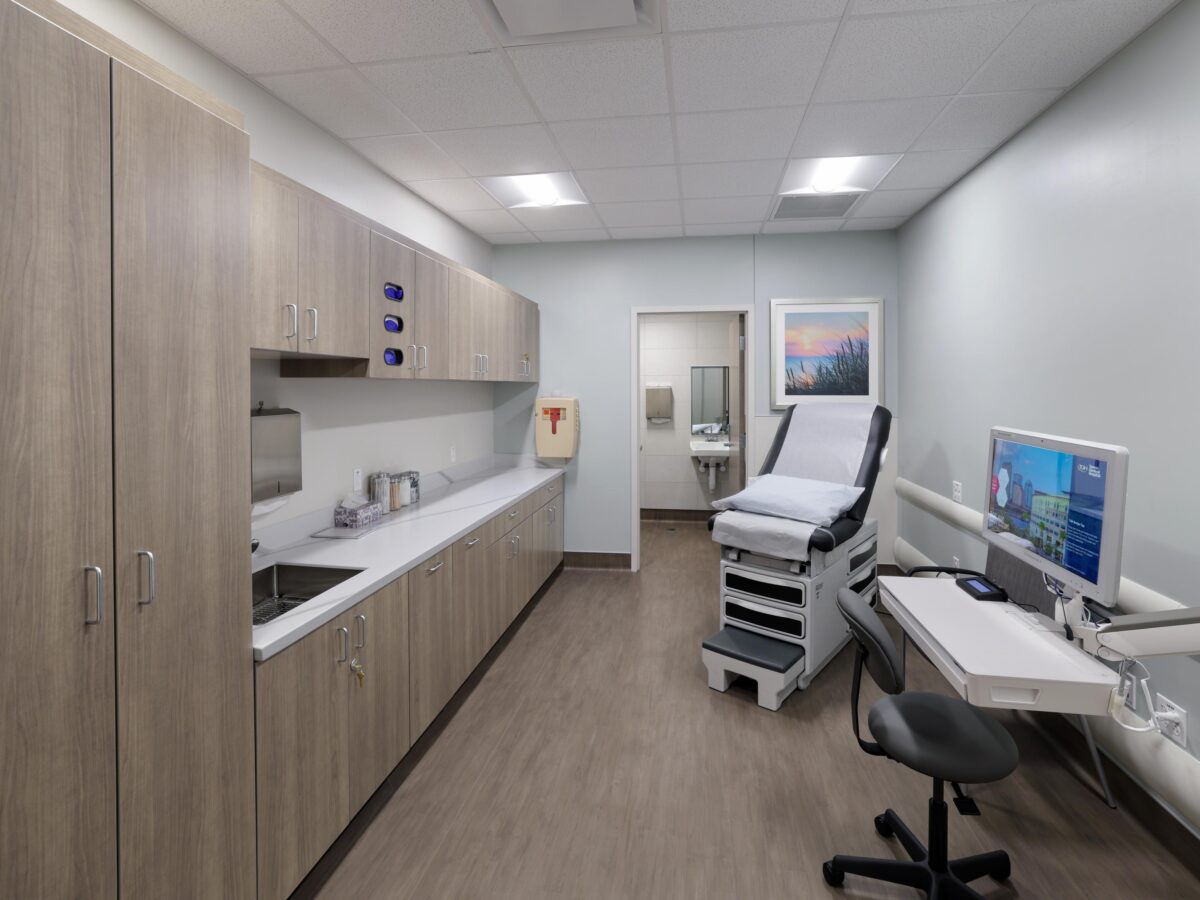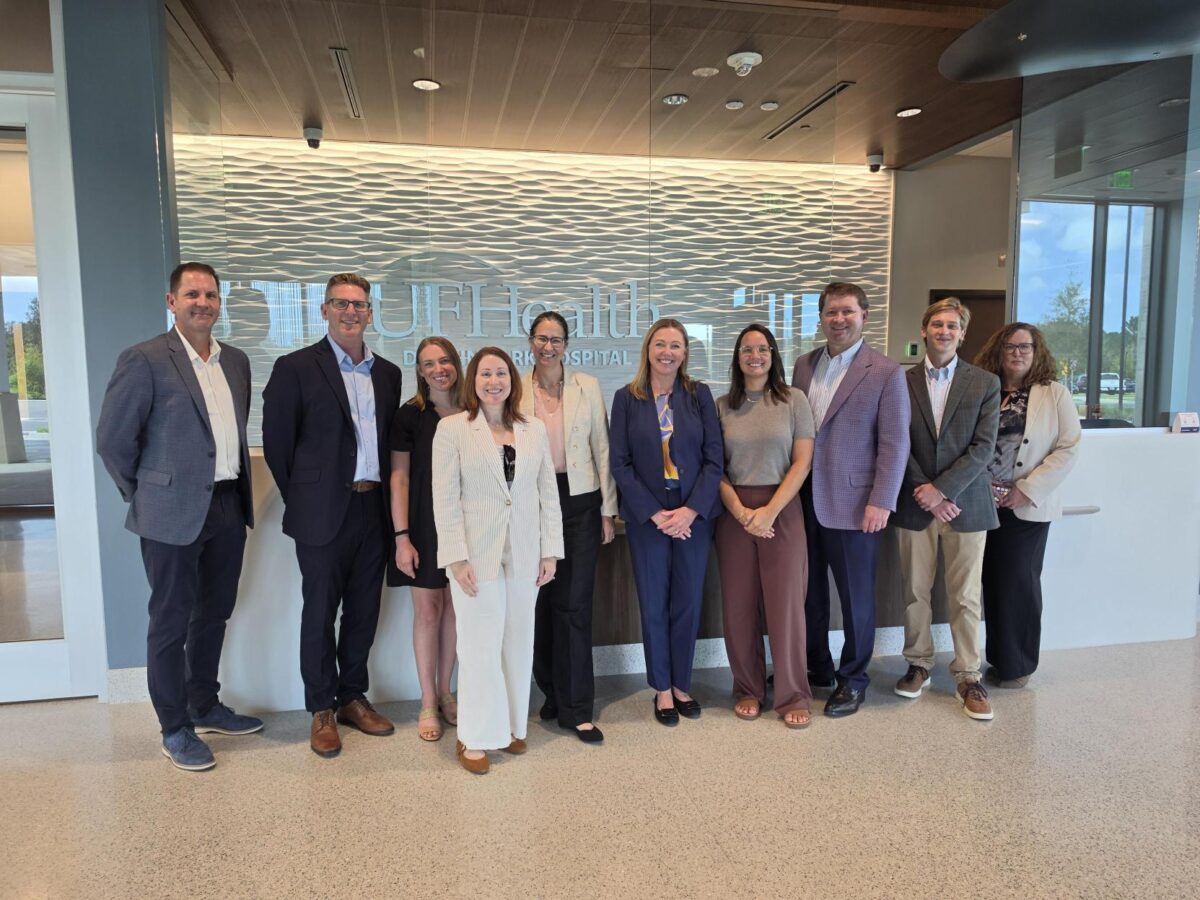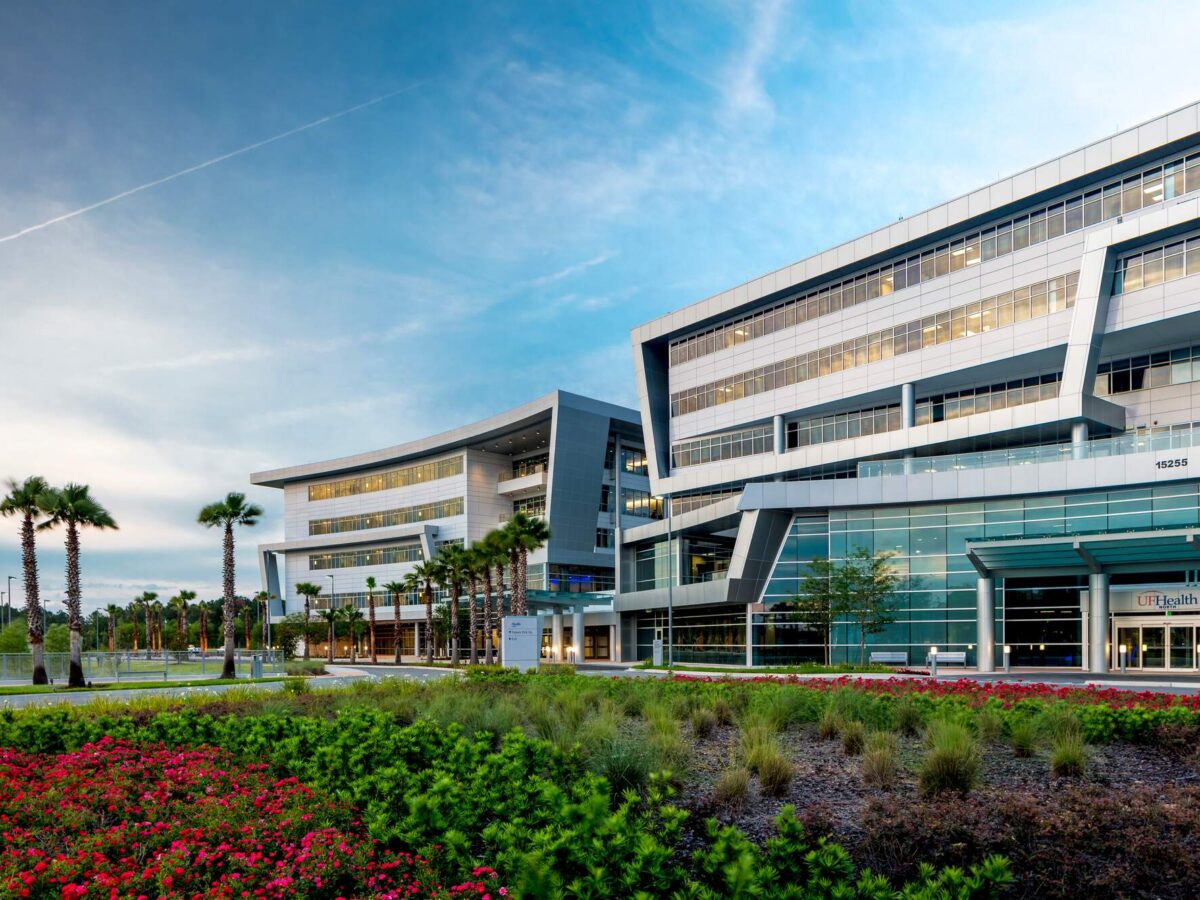
Clinicians across the country are facing rising burnout, emotionally charged interactions and unprecedented safety risks. In 2024, 81.6% of nurses reported increased workplace violence, according to a National Nurses United report. In a new feature in Medical Construction & Design magazine, Healthcare Interior Designer Stephanie McElwaney, RID, NCIDQ, LEED AP, WELL AP, IIDA, emphasizes that the built environment plays a critical role in shaping safety, performance and emotional endurance for today’s care teams.
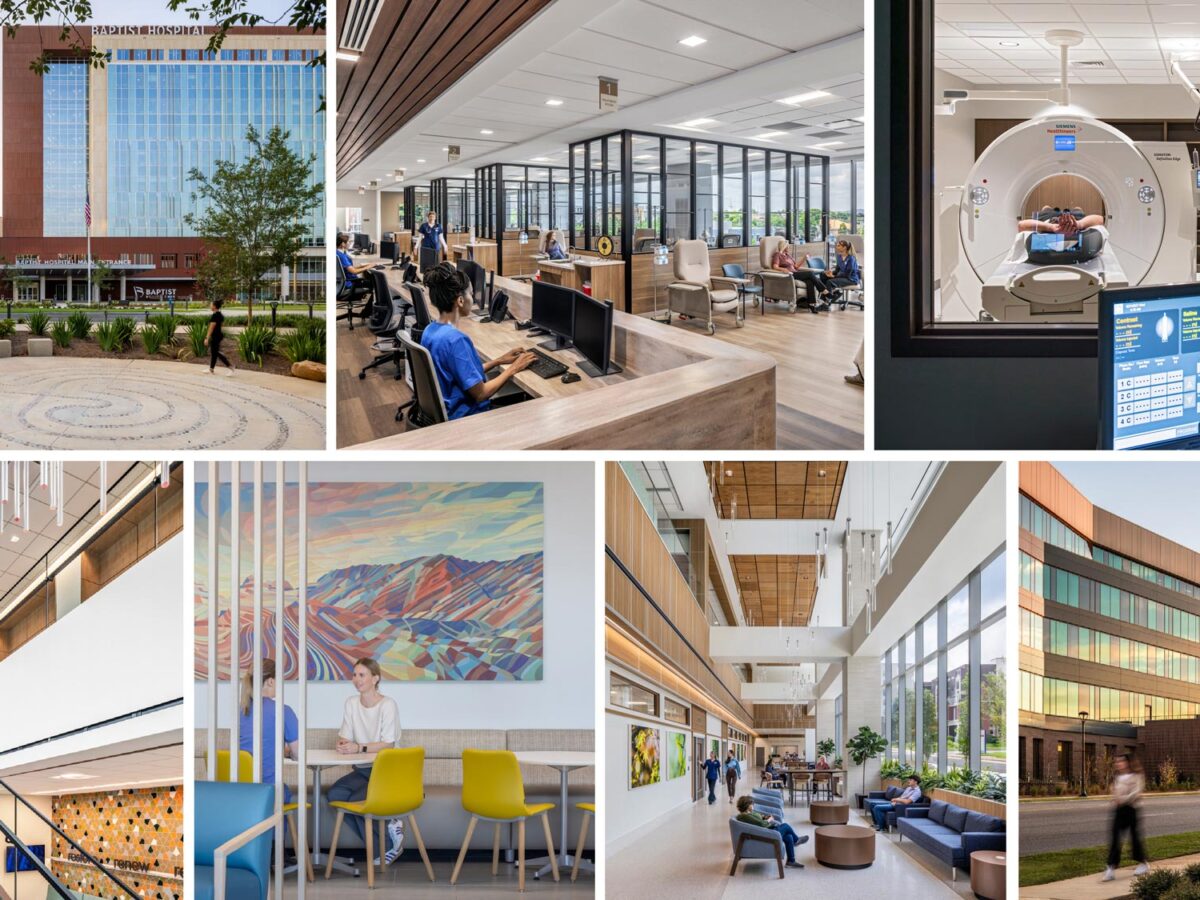
McElwaney outlines how Safety Risk Assessments are becoming essential to proactive safety planning, guiding decisions about sightlines, separation, monitoring and emergency response. She also highlights how purposeful wellness spaces — including outdoor terraces, staff gardens, quiet rooms and centrally located break areas — give caregivers places to decompress between difficult encounters, improving decision‑making and strengthening retention in high‑pressure environments.
Looking ahead, McElwaney notes that staff‑supportive design is both a strategic investment and a vital priority as health systems navigate rapid shifts in care delivery and evolving workforce expectations — building a resilient, confident workforce prepared for today’s pressures and tomorrow’s demands.
Read the article, “Designing for Safety, Security & Beyond,” located here.