
Photo Credit: City of Duluth, Georgia
Since its inception in 1999, the Livable Centers Initiative (LCI) has been a transformative force in shaping the Atlanta metropolitan region into a more vibrant, sustainable and connected place to live, work and play. 2025 marked the release of the LCI 25-Year Impact Report, a landmark retrospective and forward-looking document developed in collaboration between Gresham Smith and the Atlanta Regional Commission (ARC). The report not only chronicles the achievements over a quarter-century but also sets the stage for future opportunities and challenges that the region must address to continue thriving.
Origins and Vision: Addressing Air Quality and Urban Growth
The LCI program was born out of a pressing environmental and public health need. In the 1990s, the U.S. Environmental Protection Agency designated the Atlanta region as a “serious” non-attainment area for ozone pollution, meaning the region’s air quality fell far short of the standards established by the Clean Air Act. To address this, ARC created the LCI program, originally known as the Activity Center and Town Center Investment Policy Studies (ACTiPS), with an initial investment of $5 million in planning and $350 million in capital funding.
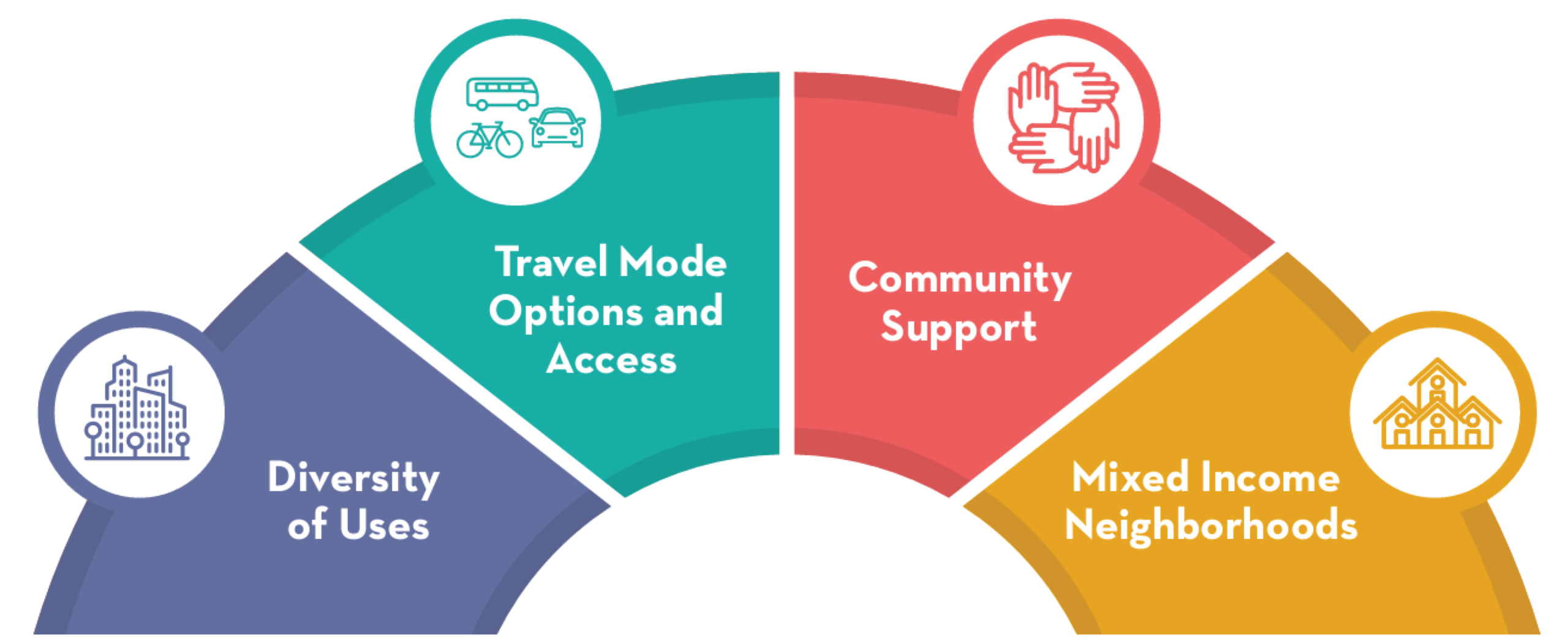
The program’s mission was clear: to improve air quality by reducing vehicle trips and promoting alternative transportation means such as walking, biking and transit. This vision was coupled with an emphasis on compact, mixed-use and multimodal development—concepts that today are recognized as hallmarks of sustainable urbanism.
Collaboration and Development
Gresham Smith played a critical role in developing the 25-Year Impact Report for ARC, bringing together data-driven analysis and stakeholder insights to paint a comprehensive picture of the LCI program’s accomplishments, impacts and challenges. The report was developed over approximately 18 months, during which a diverse team gathered and analyzed extensive data sets on demographics, employment, housing, land use, transportation safety and travel modes across the Atlanta region.
Alongside this technical analysis, the team conducted 17 focus groups and interviews with a broad spectrum of stakeholders including city and county government staff, consulting professionals, and community improvement districts, transit agencies, community-based organizations and ARC leadership. These voices enriched the findings, providing on-the-ground perspectives on the LCI’s impact and areas for improvement.
Program Successes: A Multifaceted Impact
One of the key takeaways from the Impact Report is the LCI program’s success in promoting sustainable and connected communities throughout metro Atlanta. Highlights include:
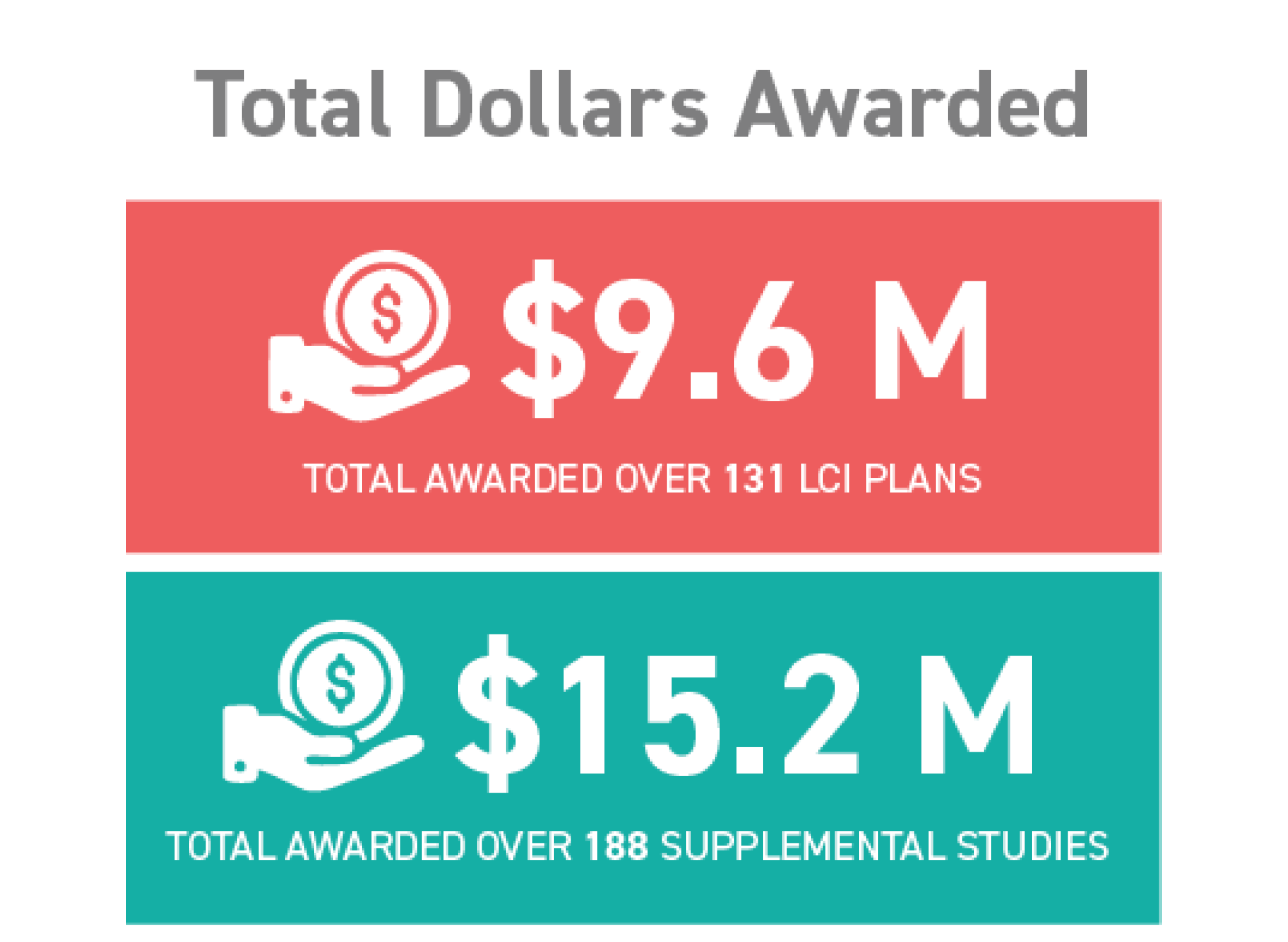
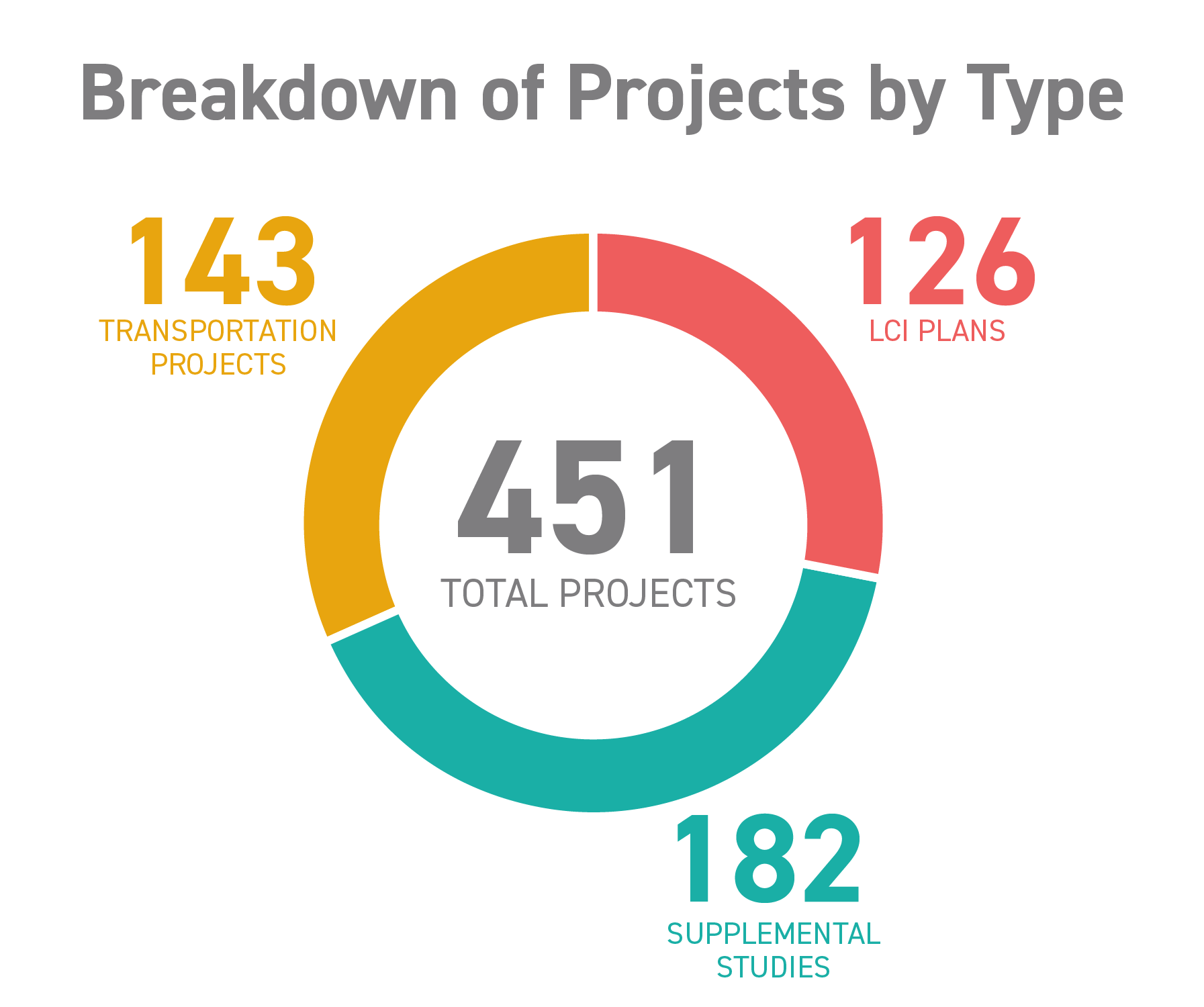
- Funding and Implementation: Since 1999, ARC has awarded nearly $24.8 million in federal dollars for LCI studies in 126 communities This includes $9.6 million for catalytic studies and more than $15.2 million for tactical studies that help facilitate implementation of projects identified in catalytic plans. Building on these plans, ARC has also allocated over $389 million for more than 145 transportation projects such as sidewalks, bike lanes, trails, transit facilities, street extensions, and road diets, with local jurisdictions providing an additional $72.7 million in matching funds. ARC has now committed $1 billion in federal transportation funds for the LCI program through 2050.
- Transportation and Connectivity: The program has substantially enhanced multimodal transportation options. Since 1999, LCI funding has supported 13 road diet and Complete Street projects, 12 transit facilities and more than 100 bike and pedestrian infrastructure projects. These investments have made non-driving trips more feasible and safer, with improved sidewalks, trails and public transit access.
- Growth and Mixed-Use Development: Many LCI areas now feature a co-location of housing, employment, cultural and recreational amenities. This includes parks, green spaces, trails and mixed-use developments that foster walkable, vibrant communities. These efforts have encouraged population and job growth within LCIs—133,000 new jobs have been added since the early 2000s, accounting for 37% of all regional job growth, while housing units in LCIs grew faster than the region overall. Besides traditional activity centers like Midtown and Perimeter, emerging LCIs such as McFarland-Stoney Point in South Forsyth and Tucker-Northlake and North Druid Hills Road in DeKalb County have demonstrated substantial expansion and activity.
- Housing Choice and Affordability: LCIs also provide housing options across a range of incomes, supporting mixed-income neighborhoods. While challenges remain, notably rising home prices and rental rates affecting affordability, the program has added a significant number of affordable housing units over 25 years. LCI households tend to have lower median incomes than the region as a whole, reflecting the availability of more affordable housing choices.
Stakeholder Perspectives and Community Impact
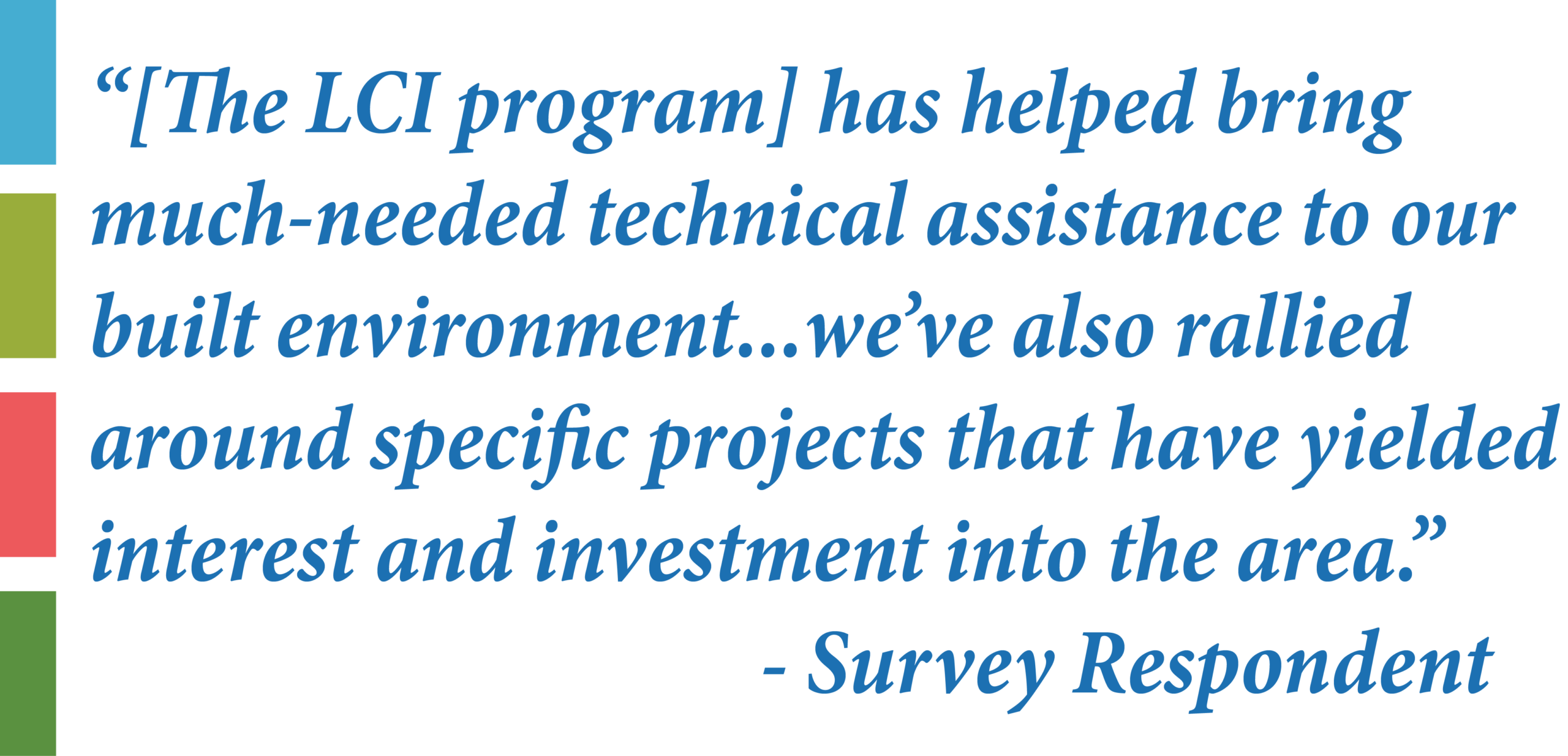
Feedback from stakeholders underscores the LCI program’s value as a visionary framework that guides local jurisdictions’ growth and development. Participants highlighted the importance of the program in providing a shared vision, fostering partnerships and emphasizing smart planning and design principles. The LCI program has placed community livability front and center in the Atlanta region’s planning discourse.
Stakeholders also recognized that the most successful projects are those with clearly articulated visions, defined funding sources, strong partnerships and broad community support. Challenges still exist—such as securing local funding for projects outside of transportation improvements, implementing affordable housing strategies, and balancing growth with equity concerns—but the willingness of ARC and partners to learn from experience and accept open feedback bodes well for continual improvement.
Looking Ahead: Strategic Opportunities for a Thriving Region
With the 25 Year Impact Report, ARC and Gresham Smith not only celebrate past successes but identify opportunities for the future. The report aligns with ARC’s broader Strategic Framework, which envisions “One Great Region” where thriving communities are inclusive, healthy, safe and economically competitive.
Future efforts will need to build on the LCI’s momentum by deepening investments in multimodal infrastructure and safety improvements, expanding affordable housing, fostering equitable growth, and enhancing regional collaboration. Leveraging data and community engagement will remain key to guiding smart, strategic decisions that uplift all residents.
ARC is already putting the report’s recommendations into action through the launch of the LCI Academy. This new initiative, launching in September 2026, brings together staff, administrators, and leaders from LCI sponsor organizations—as well as consultants supporting LCI plans, studies, and implementation—to learn about the program’s history and regional impact while gaining practical guidance for successful implementation.
Megha Young, AICP is a Senior Planner and project manager in Gresham Smith’s Buford office with more than 20 years of experience in statewide, regional and municipal transportation planning. She has managed a variety of studies including comprehensive transportation plans, safety studies, freight plans, bicycle and pedestrian plans, corridor studies and resiliency plans. Megha currently serves as the Vice-President of Chapter Services for the Georgia Chapter of the American Planning Association.