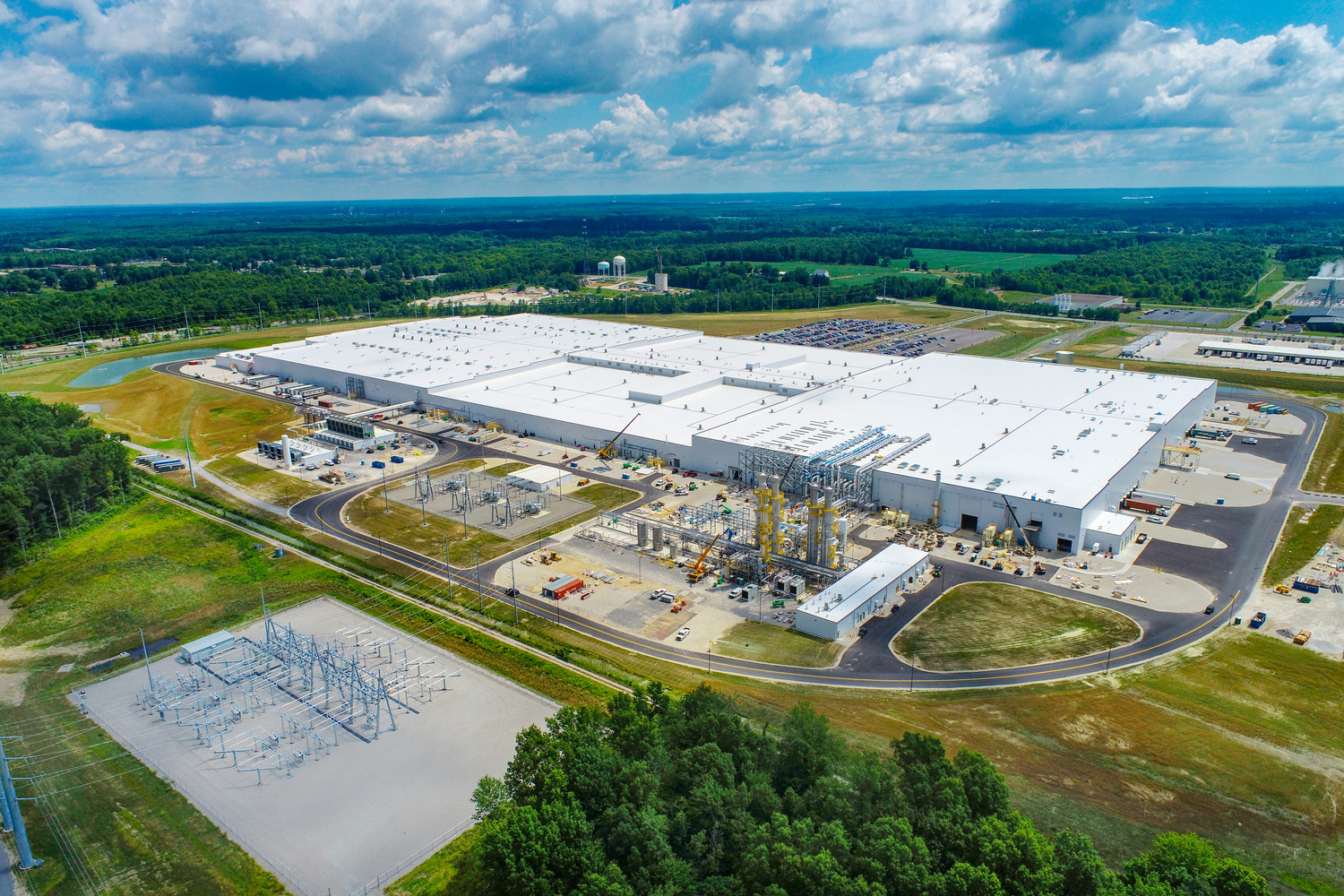

The battery industry has rapidly expanded from primarily serving electric vehicles to becoming a vital, multifaceted sector supporting energy systems, defense, and industrial automation. While lithium-ion remains the core technology, manufacturers must now adapt to serve a wider range of markets through flexible, multi-chemistry facilities.
Why the shift? The Inflation Reduction Act of 2022 sparked massive U.S. investment, creating a new “Battery Belt” of large manufacturing projects. However, slowing EV demand compelled the industry to diversify. Today, battery demand is increasingly driven by utility-scale energy storage for grid reliability, hyperscale data centers, defense applications, and robotics/autonomous systems—each with distinct requirements for chemistry, performance, and scale.
Rising supply chain complexity from recycled and multi-sourced materials demands advanced traceability, segregated production flows, and dynamic process control. Successful scale-up depends on disciplined planning, strong project teams, flexible program management, and adaptable facilities capable of multi-chemistry production.
U.S. manufacturing capacity now matches domestic energy storage demand, but global battery demand is projected to nearly quadruple by 2035. Read our insights at Battery Technology and see how the industry’s critical capability will be adaptability and operating across multiple demand vectors with flexible, resilient manufacturing solutions.
James Rudd, PE, CEM, is a project executive in Gresham Smith’s Industrial market. He brings extensive experience in developing projects and infrastructure solutions specifically tailored for Industrial clients. Known for fostering a strong team culture grounded in trust and excellence, James drives project success through data-driven decision-making and transparent communication.