
This post marks the first edition of our Traffic Safety blog series, where we’ll explore how Gresham Smith is applying forward-thinking to help clients achieve their vision of eliminating roadway fatalities and serious injuries.
Summary
- Safe system thinking reframes traffic safety practices by emphasizing a focus on avoiding the severe outcomes of crashes.
- Crash severity is the key metric and forward-thinking shifts attention to understanding human abilities to absorb the transfer of crash kinetic energy.
- Public understanding and support for safety infrastructure changes is critical for achieving success. Using tools like safety action plans can help build shared priorities and foster public support.
As safe system thinking gains momentum in the U.S., agencies and communities are increasingly designing roads with a clear premise in mind: people will inevitably make mistakes, and those mistakes may result in traffic crashes. So, going forward, the transportation system must be built to manage crash forces and prevent the most severe outcomes.
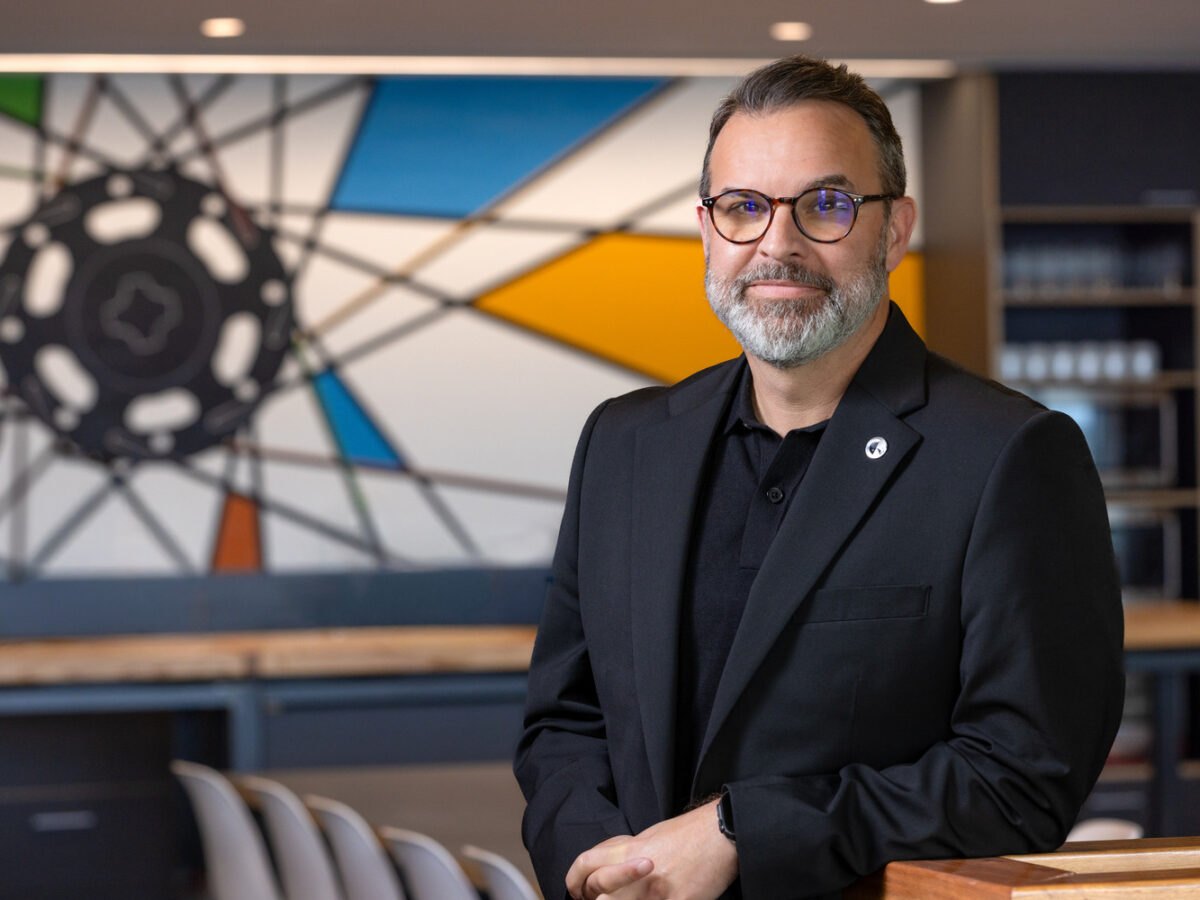
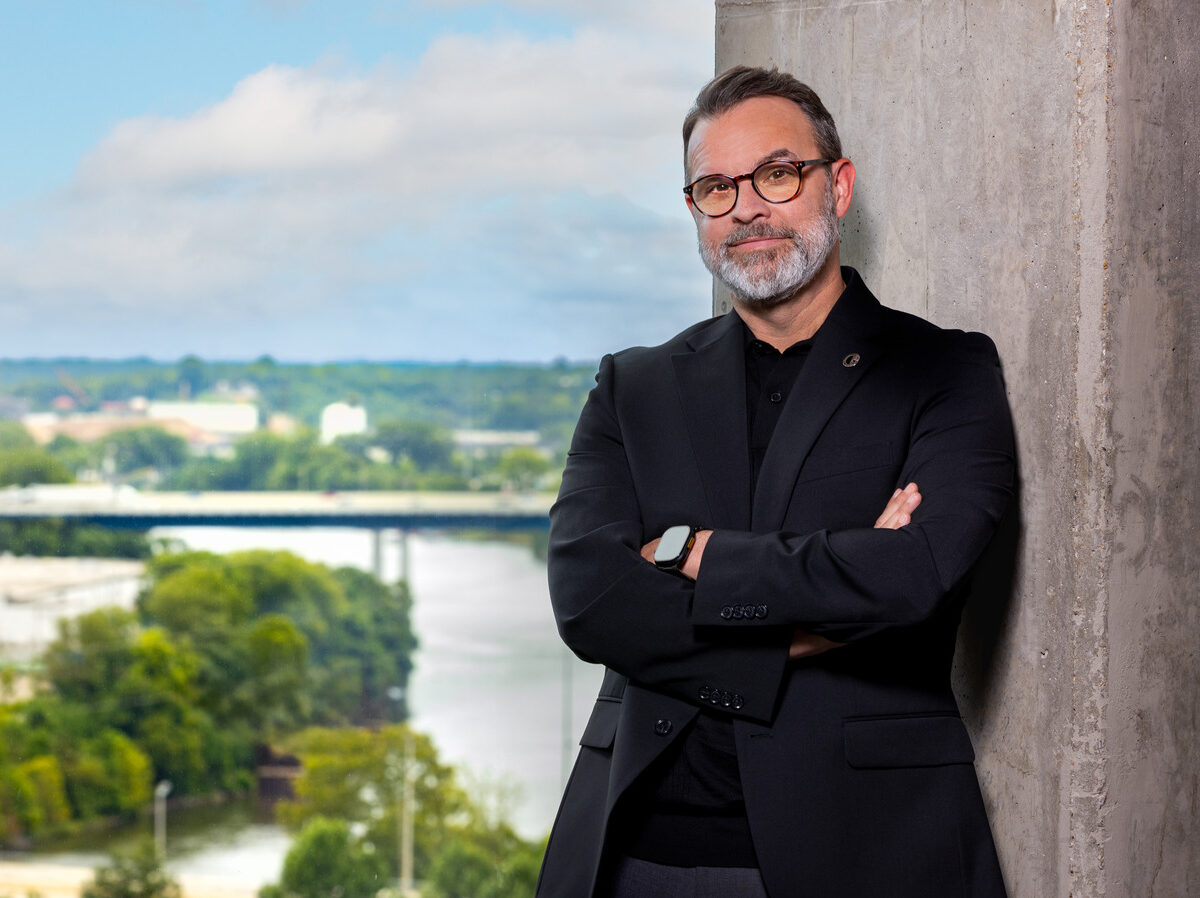
To explore some changing perspectives regarding traffic safety and the advancement of safe system thinking, we sat down with Mark Doctor, a senior engineer in Gresham Smith’s Transportation market. With over 37 years of experience in transportation engineering, including 20 years in his previous role as a senior safety and design engineer with the Federal Highway Administration, Mark offers valuable insights on the key challenges for eliminating roadway fatalities and serious injuries.
Q: What do you mean by thinking differently?
Mark Doctor: Applying different thinking is often the best way to tackle the most challenging problems. For most of my career, traffic safety focused on implementing strategies and measures thought to be effective in reducing the number of crashes. Developing evidence to quantitively demonstrate that something was cost-effective at reducing crashes was the focus, and ostensibly that seems very logical. But my mindset changed when I learned about the safe system paradigm shift, which began in Europe nearly 30 years ago and has gained ever increasing momentum both internationally and within the United States.
For me personally, the shift in thinking occurred with the realization that eliminating fatalities and serious injuries is a far different objective from reducing crashes. Not only is it a very bold objective that resonates with me on a moral values level, but my “a-ha moment” came with understanding the safe system principle that human mistakes are inevitable and that on the roads those mistakes may lead to crashes. My engineering brain reoriented with two key thoughts. First was acknowledging the inevitability that crashes will happen because no matter how successful a strategy is at reducing human error it will never eradicate it. Second, I realized that to eliminate fatal and serious outcomes from inevitable crashes, attention needs to shift toward understanding human abilities to absorb the transfer of crash kinetic energy. In other words, shifting from a crash reduction focus to a crash severity management focus.
Q: But crash reduction is still an important goal, right?
Doctor: Here’s where different thinking really kicks into high gear. Nobody wants to be in a car crash. Even a minor “fender-bender” will ruin your day. But unlike vehicles which can be repaired or replaced if severely damaged, our human bodies are far more precious, and the value of a human life is truly immeasurable. That’s why understanding crash severity is such a critical factor in the field of traffic safety. Reducing crash severity is the truly important metric.
Traffic safety engineers have traditionally focused on both crash frequencies and crash severities and typically the objective is to reduce crash frequencies across all severities. However, some safety strategies may have different crash reduction influences across different crash severities. In fact, some strategies may increase the frequency of minor crashes even though they may greatly reduce the frequency of severe crashes.
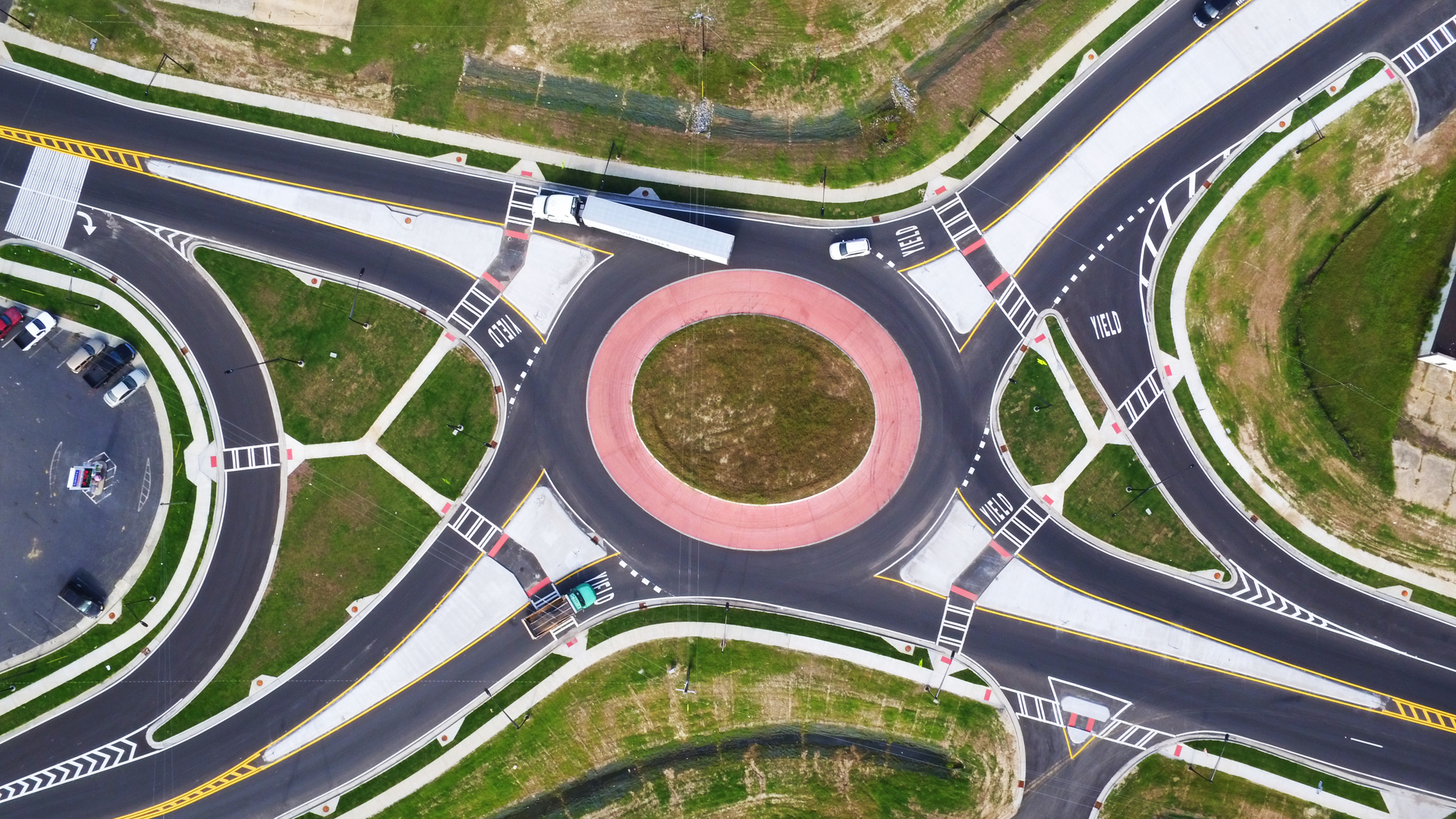
For example, changing from a signalized intersection to a multi-lane roundabout may increase the total frequency of crashes. Remember what I just said about humans making mistakes, well, multilane roundabouts seem to pose challenges for some people. However, because roundabouts are very effective at slowing speeds, the crashes that inevitably occur are very rarely severe. Building more roundabouts is a great example of what this change in thinking about safety looks like. It’s a focus on what matters most, preventing those crashes that result in deaths or serious injuries.
Q: So basically, you’re saying that not all crashes are equally bad?
Doctor: That’s right. In fact, most transportation agencies assign dollar values to different crash types based on severity. These dollar values are used for benefit-cost calculations and performance evaluations in project safety analyses. Even though the value of a human life is beyond measure, for the purpose of benefit-cost calculations values for fatal, serious injury, minor injury and property damage only crashes must get assigned based on societal and economic impacts. For example, when calculating crash costs, the Georgia Department of Transportation (GDOT) uses a value of $13,580,000 for a fatal crash and $30,000 for a no-injury property damage-only crash. These costs are applied in safety assessment calculations by GDOT. So from an economic perspective, it would take more than 452 no-injury crashes to equal the value of a fatal crash. By applying this perspective to that multilane roundabout that potentially increased total crashes, it would take an increase of more than 450 no injury crashes to offset the trade-off to prevent only one fatal crash. It’s about focusing on what matters most.
Q: What’s the greatest impediment to making these types of safety changes?
Doctor: Although more transportation agencies are embracing safe system principles, I think a significant obstacle is a limited public understanding of the benefits of certain infrastructure changes. Some safety strategies are perceived as an inconvenience if they involve trade-offs like slower speeds or redirected turning movements and they may even provoke public opposition. Recognizing a need for greater public understanding and acceptance of certain infrastructure changes, the AAA Foundation for Traffic Safety (AAAFTS) partnered with Johns Hopkins University, the Institute of Transportation Engineers, and the University of North Carolina to develop a guide that assists in effectively communicating with the public about implementing safety improvements at the community level. Creating a shared common understanding of the traffic safety problem and collaborating with the community to foster public acceptance on safety priorities is key to overcoming this challenge.

Q: What else can be done to help gain public support?
Doctor: Prioritizing public collaboration when developing safety action plans is another strategy for gaining public support. Safety action plans are described by the Federal Highway Administration as the “basic building block” to significantly improve roadway safety and as a powerful tool to help clearly communicate with stakeholders.
Gresham Smith worked with the City of Sandy Springs, GA to ensure that community engagement was an integral part of developing the City of Sandy Springs Safety Action Plan. The engagement included robust involvement of the City’s leadership and staff, stakeholder organizations, and community members who live, work, and visit Sandy Springs. The Sandy Springs Safety Action Plan focuses on their most pressing safety issues and takes a proactive approach to evaluate the types of crashes that disproportionately result in serious injuries and fatalities and what characteristics and factors offer the greatest opportunity to incrementally reduce serious injuries and fatalities.
Like what you read here today? Reach out to Mark, or stay turned for his next blog post that will explore how thinking differently about traffic safety translates to a sharpened focus for conducting a project level safety analysis.
Mark Doctor joined Gresham Smith in 2025 as a senior engineer and technical advisor following a long career with the Federal Highway Administration (FHWA). In his last position with the FHWA Resource Center, Mark advanced national practices on performance-based design, innovative intersections, and applications of a safe system approach. Doctor is a passionate traffic safety advocate with experience relating Safe System principles into practical applications for road and intersection designs. In his role at Gresham Smith, Doctor enhances client services in our transportation market across multiple office locations.