

Water, wastewater and stormwater systems are facing increasing strain from aging infrastructure, evolving regulations and rising community expectations, creating challenges for municipal utilities and the engineers and contractors who support them. These projects are more complex, more interconnected and more time sensitive than ever before, and traditional Design-Bid-Build (DBB) delivery can sometimes struggle to keep pace.
In this environment, collaborative delivery models align with the realities of modern water infrastructure work. One option, Progressive Design‑Build (PDB), has proven successful on an increasing number of large and/or challenging projects. Rather than separating design and construction into distinct, sequential phases, PDB brings owners, engineers and contractors together early—when decisions have the greatest impact on cost, schedule and risk. That early collaboration is proving to be one of the most effective ways to manage uncertainty, reduce surprises and deliver infrastructure that performs reliably for decades.
A Better Fit for Complex Water Projects
Water infrastructure projects rarely behave in a linear fashion. Buried, aging utilities, systems without as-built drawings, and variable influent characteristics often make it difficult to precisely define scope at the project’s outset. Facilities must frequently remain online during construction, requiring careful sequencing, temporary bypass strategies and coordinated decision making. Specialized equipment with long‑lead procurement timelines adds another layer of complexity.
PDB is built for these conditions. The delivery method creates the space for owners, engineers and contractors to validate scope, schedule and cost together, adjusting as real‑world conditions are uncovered. Rather than forcing teams into rigid assumptions, PDB acknowledges that these projects evolve and provides a structure that allows them to evolve without compromising cost, schedule or quality.
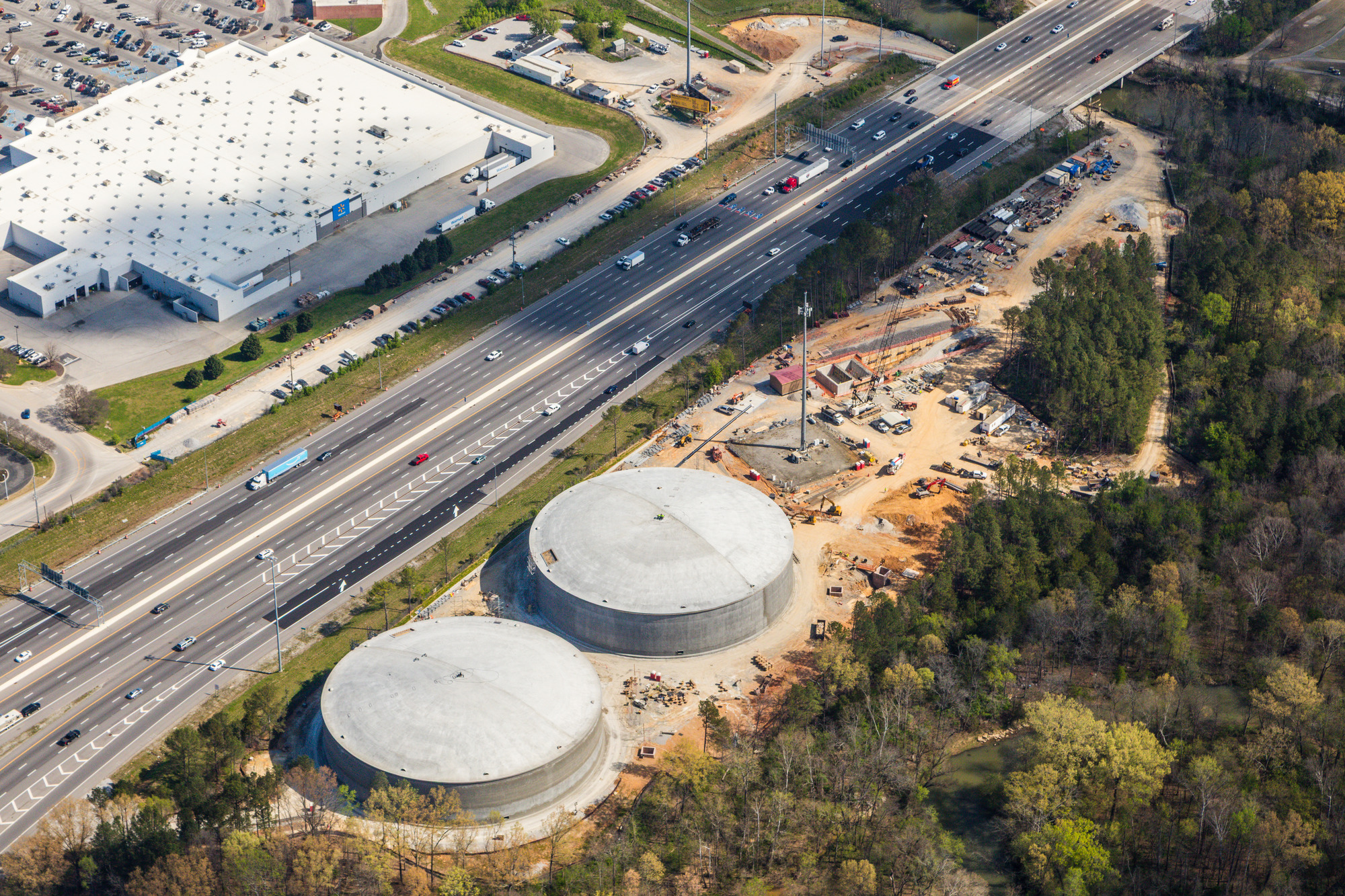
This dynamic played out on The City of Chattanooga’s Environmental and Economic Infrastructure Improvements (e2i2) program, a component of the City’s “Clear Chattanooga” Sewer Overflow Abatement Program. Gresham Smith designed two new wet weather equalization stations and improvements to two interceptor sewer lines, all of which are nearing construction completion. The PDB process enabled the design-build team to evaluate multiple site layout options, validate tank sizing and optimize pump station design early in the process, which ensured the equalization tanks were placed in the optimal locations and configurations and designed in the most efficient manner—critical decisions that supported the city’s long‑term wet weather strategy and future growth.
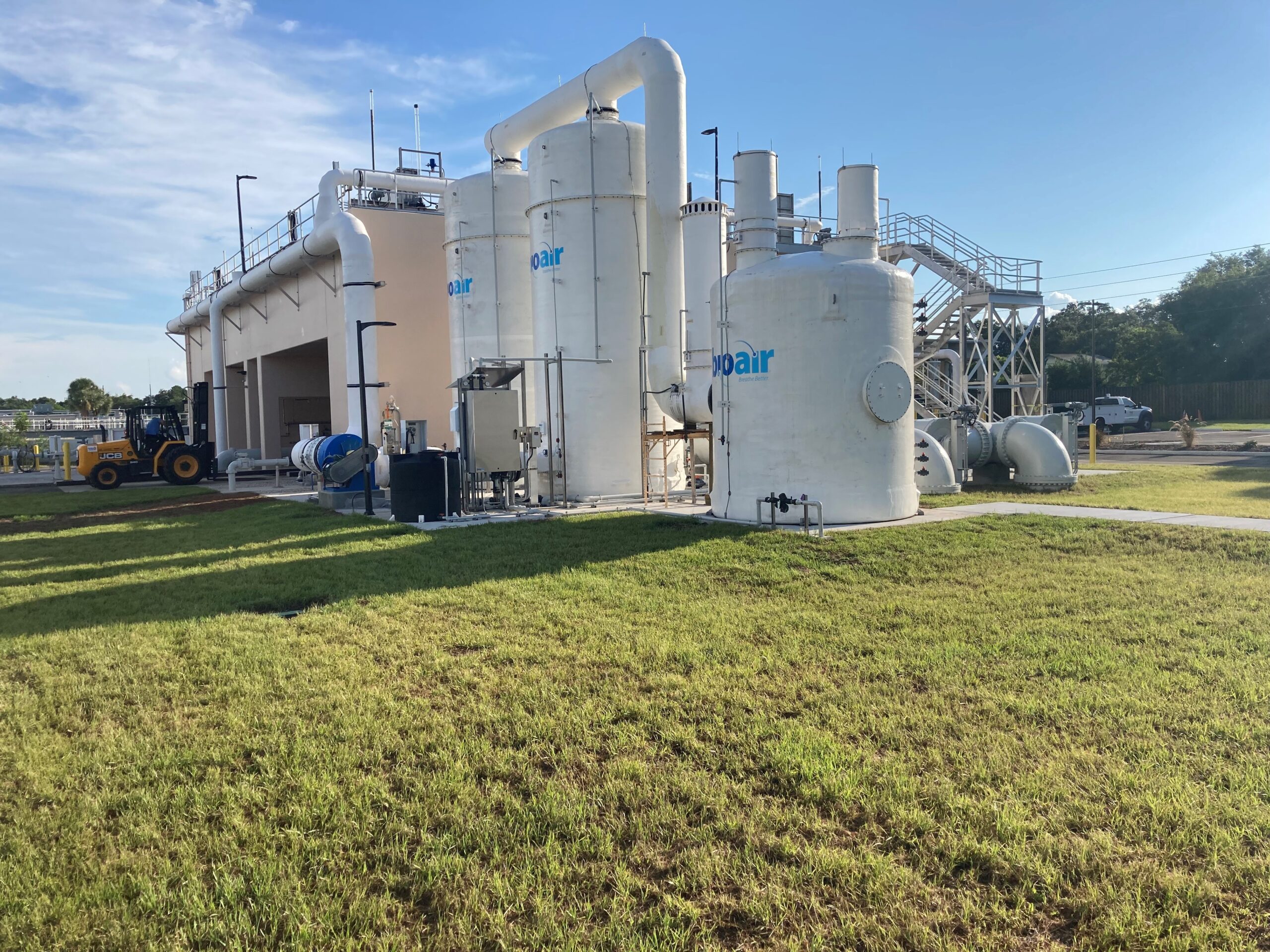
A similar story unfolded at Pinellas County’s South Cross Bayou Advanced Water Reclamation Facility, where Gresham Smith was hired to upgrade pretreatment systems, delivering a new 66-million-gallon-per-day headworks facility with integrated screening, stacked tray-type grit removal, influent flow measurement, dual bypass channels, and a new 11,200-cubic-feet-per-minute odor control system. Because maintaining plant operations was a major concern, the PDB process enabled early collaboration to develop innovative temporary bypass solutions—including large‑diameter above‑ground HDPE piping, temporary odor control facilities, and strategic reuse of existing structures—allowing demolition and replacement of the existing grit facility within tight site constraints while ensuring continuous, reliable operation.
How Contractor Roles Shift in a PDB Environment
Contractors take on a more integrated role in PDB, shaping the design rather than simply pricing it. They engage early, provide transparent cost modeling as the design advances, and lead constructability reviews focused on sequencing, access, safety and operational continuity. They also help identify risks proactively and participate in collaborative workshops with owners, operators and designers. This early involvement gives owners clearer insight and gives contractors greater influence, resulting in solutions that reduce risk and improve efficiency.
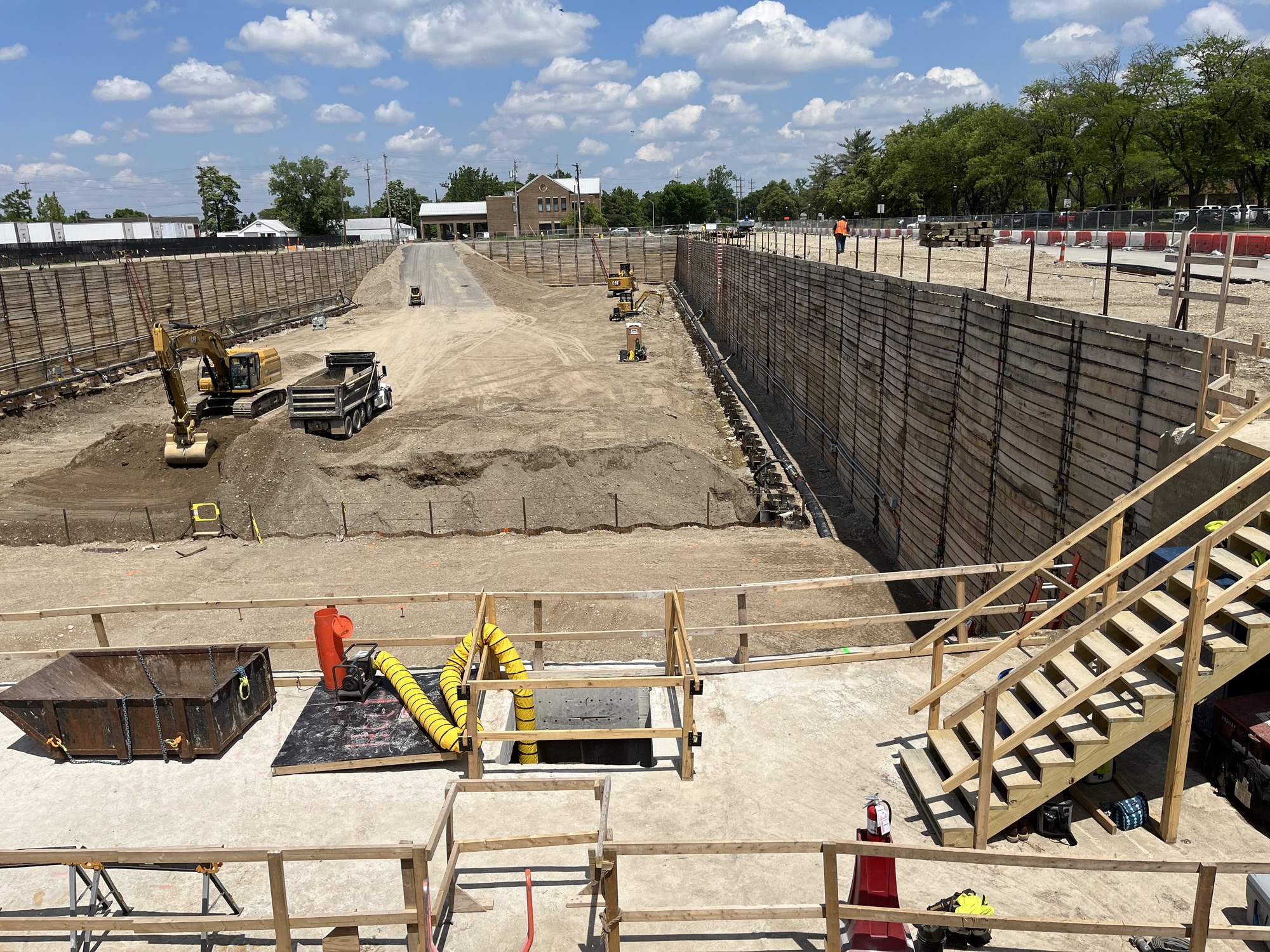
Gresham Smith saw this firsthand when working with our contractor partner to deliver the City of Middletown’s 5.1‑million-gallon CSO storage basin through PDB. The PDB model created a true partnership, enabling designers, contractors and City staff to collaborate early and often through structured workshops that brought the right stakeholders into the process at the right moments. This joint approach strengthened decision‑making, improved constructability, and allowed the team to sequence work, manage site constraints, and minimize community disruption in a highly visible urban location. Together, we developed solutions that balance operational needs, aesthetics, and fiscal responsibility—resulting in a resilient, operator‑friendly facility that will serve as a long‑term community asset.
Shared Value for Owners and Contractors
PDB is a delivery model that creates shared value. Municipal clients experience better alignment of scope, schedule and budget, fewer surprises at guaranteed maximum price (GMP), and stronger trust between project partners. Contractors benefit from earlier involvement, clearer expectations and more predictable construction sequencing. Both sides gain the opportunity to innovate, solve problems collaboratively and deliver infrastructure that is more resilient, more efficient and more thoughtfully designed.
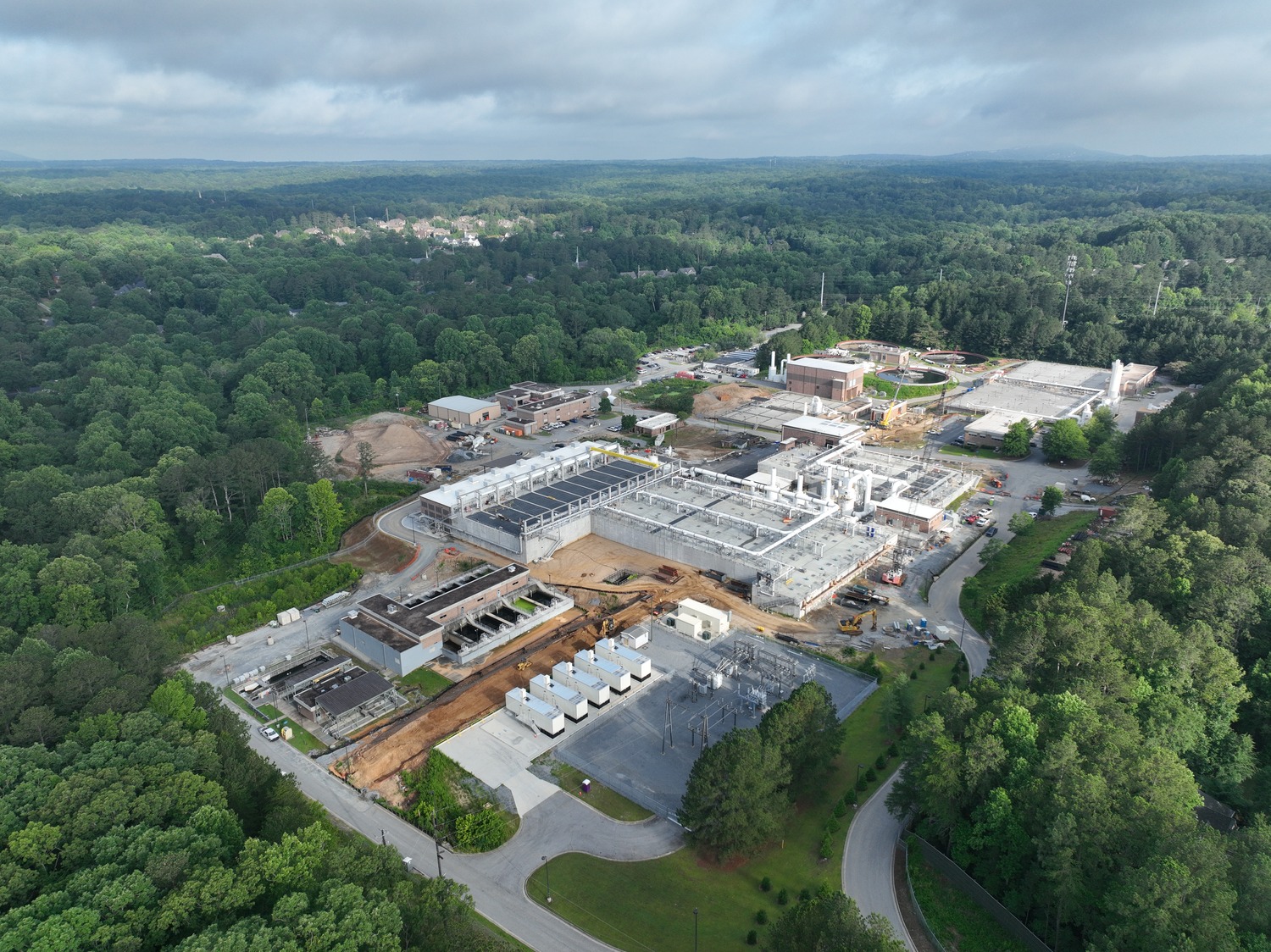
At Fulton County’s Big Creek Water Reclamation Facility, Gresham Smith and the contractor team worked as an integrated partner to the Owner from pre‑design through construction of the 38‑million-gallon-per-day biological nutrient removal expansion and one of North America’s largest membrane bioreactor installations. PDB created the framework for a highly collaborative value engineering effort that ultimately saved the client more than $35 million. By working together early, the team identified opportunities to optimize treatment processes, reduce energy consumption and streamline construction sequencing—outcomes that would have been far more difficult to achieve under traditional delivery.
The Bottom Line
Progressive Design‑Build is gaining traction because it mirrors how water projects actually unfold—conditions change, requiring flexibility, collaboration and shared accountability to keep constructability, cost, schedule and operations aligned. For municipal clients it brings predictability; for contractors it brings clarity and influence; and for communities it delivers resilient infrastructure that supports public health and environmental stewardship. More than a delivery method, PDB is a partnership model—and for water infrastructure, it’s quickly becoming the preferred path forward.